Whisenhunt Media - Video Production Company Logo
HomeAboutPortfolioBlogFAQContactFree Analysis
Pop-Up Production: Logistics and Launch Strategy
Marketing

Pop-Up Production: Logistics and Launch Strategy

By Whisenhunt Media•August 28, 2026•3513 words•18 min read

Categories

All PostsAI & OptimizationAerial VideographyBrandingCommercial VideoDentistsEvent CoverageLaw FirmsMarketingPost ProductionSEO & MarketingSocial MediaUncategorizedVideo ProductionWebsite Development

Quick Links

Video Glossary
Production terminology
FAQ
Common questions
Our Services
What we offer

Ready to Get Started?

Let's discuss how we can bring your vision to life with professional video production.

Contact Us

Whisenhunt Media is a three-employee studio in Las Vegas, NV. The studio began in 2017. It specializes in pop-up shop production and logistics. The team plans and executes each project as one connected process. It supports brand strategy, content creation, video production, website development, and SEO & Organic Traffic Growth. Whisenhunt Media has produced 500+ videos. These videos support brand campaigns and retail activation programs.

Production timelines need careful coordination. The work runs from the first idea through execution. Whisenhunt Media supports this process with content creation, video production, and brand strategy. The team helps pop-up shops launch smoothly. It also connects digital and physical retail experiences for brands.

Pop-up shop production and logistics need planning across several areas. These areas include shipping timelines, on-site builds, and staffing. Each area supports successful multi-market activations. Whisenhunt Media's experiential marketing team manages pop-ups from concept through execution. Reagan Pfifer leads the team. The team plans each project around the brand strategy. It also uses production-proven build teams. This approach helps reduce delays during touring retail campaigns. It supports corporate launches as well. Clear transportation planning prevents more delays during each campaign.

Key Takeaways

Apply ALL of the following review findings to improve this article. Keep the brand voice, existing links, and images unl
  • Pop-up shops connect digital and physical retail worlds. They create focused brand experiences.

    Free tool

    See what AI says about your business

    Kiki, our AI strategist, reads your real website in a live browser and hands you a personalized growth plan in about a minute. Free, no signup.

    Analyze my business →
  • The Pop Up Shop Agency creates custom brand campaigns. Over 500 award-winning brands trust these campaigns.

  • Pop-up retail spans fashion, electronics, lifestyle, and health sectors. It helps brands test markets quickly.

  • A temporary retail activation needs careful logistics. It also needs clear staffing and reliable inventory control.

What Do You Need Before You Launch a Pop-Up?

Three things shape a touring retail program. They are strategy, staffing, and logistics discipline. Skipping one can turn the launch date into a scramble. Missed shipments can harm the customer experience. Unbriefed staff can create the same problem. Retail teams need a checklist before loading the first truck.

An illuminated event stage displays blue wave graphics before an audience while technicians operate production equipment overlooking a city skyline.

Does a pop-up need a dedicated production team?

Yes. A dedicated experiential marketing team is essential. The team should specialize in pop-up production, launches, and trade-show activations. It plans staging, staffing, content capture, storage, and delivery times. The team completes this work before opening day. Brands then arrive with a tested plan. They do not need to improvise on-site.

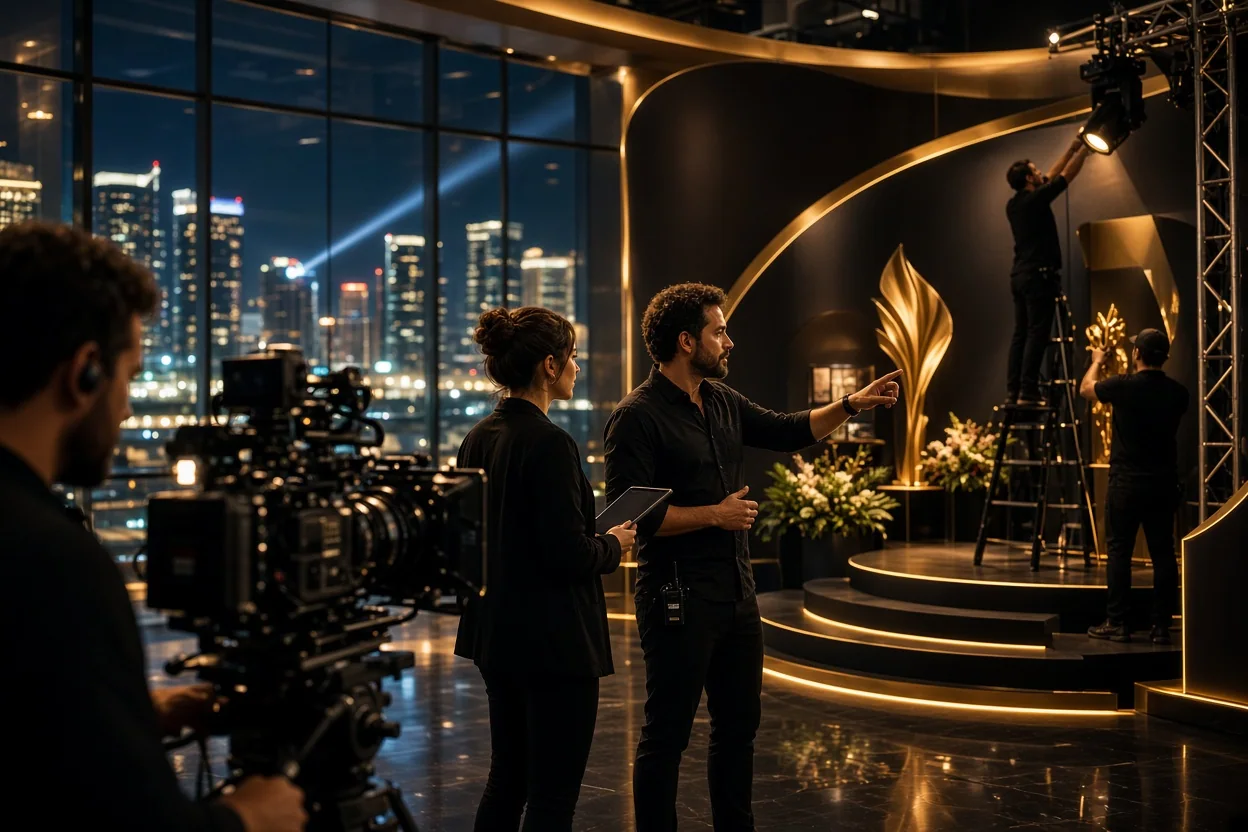
A camera crew records two people beside a lit stage while a technician adjusts overhead lights, with a city skyline beyond the windows.

What planning has to happen before site selection?

Brand strategy and positioning work come first. Teams should set the message and visual identity early. They should also define the target audience before signing a lease. Teams must confirm freight routes, storage needs, delivery times, and local staffing.

Prerequisites in order:

  1. Finalize brand positioning and creative direction.

  2. Confirm the production partner and project scope.

  3. Map the retail activation timeline against shipping and setup windows.

Pop-up logistics follows a different rhythm than a permanent store opening. Compressed timelines require rapid deployment and custom transport. They also require short-term storage and verified delivery times. Clear supply planning protects inventory. It also supports a strong customer experience.

The execution model for a pop-up program should be strategy-first, content-ready, and production-proven before ground

How Do You Execute Pop-Up Production Step by Step?

Pop-up production moves through five stages. The stages are strategy, logistics mapping, build, activation, and teardown. Skipping strategy can create mismatched messaging. It can also waste freight budgets. Operations leads should follow a production-proven sequence. This sequence keeps each stop aligned before crews break ground.

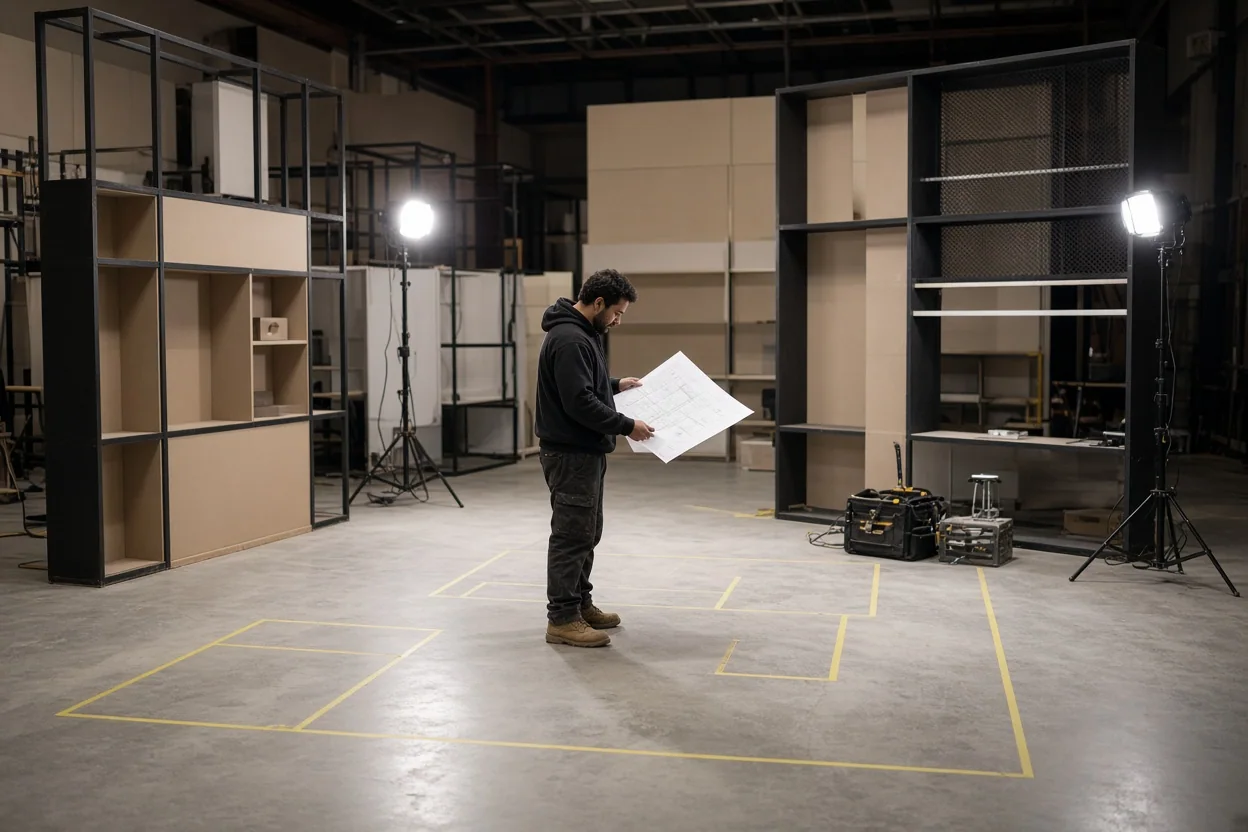
A man reviews large production plans at a table in a warehouse studio, with stacked crates and a city skyline visible through windows.
  1. Confirm creative direction and messaging before locking any market date.

  2. Map four pop-up logistics pillars. They are rapid deployment, customized transport, short-term storage, and reverse logistics.

  3. Assign production systems to manage asset pipelines and same-day edits. Human teams should review final approvals.

  4. Load prior market notes, client preferences, and decision history into a shared network.

  5. Publish platform-specific content daily. Use each channel's best time.

  6. Close with reverse logistics. Pack, ship, and reconcile inventory before the next market opens.

What Logistics Pillars Must a Touring Activation Plan For?

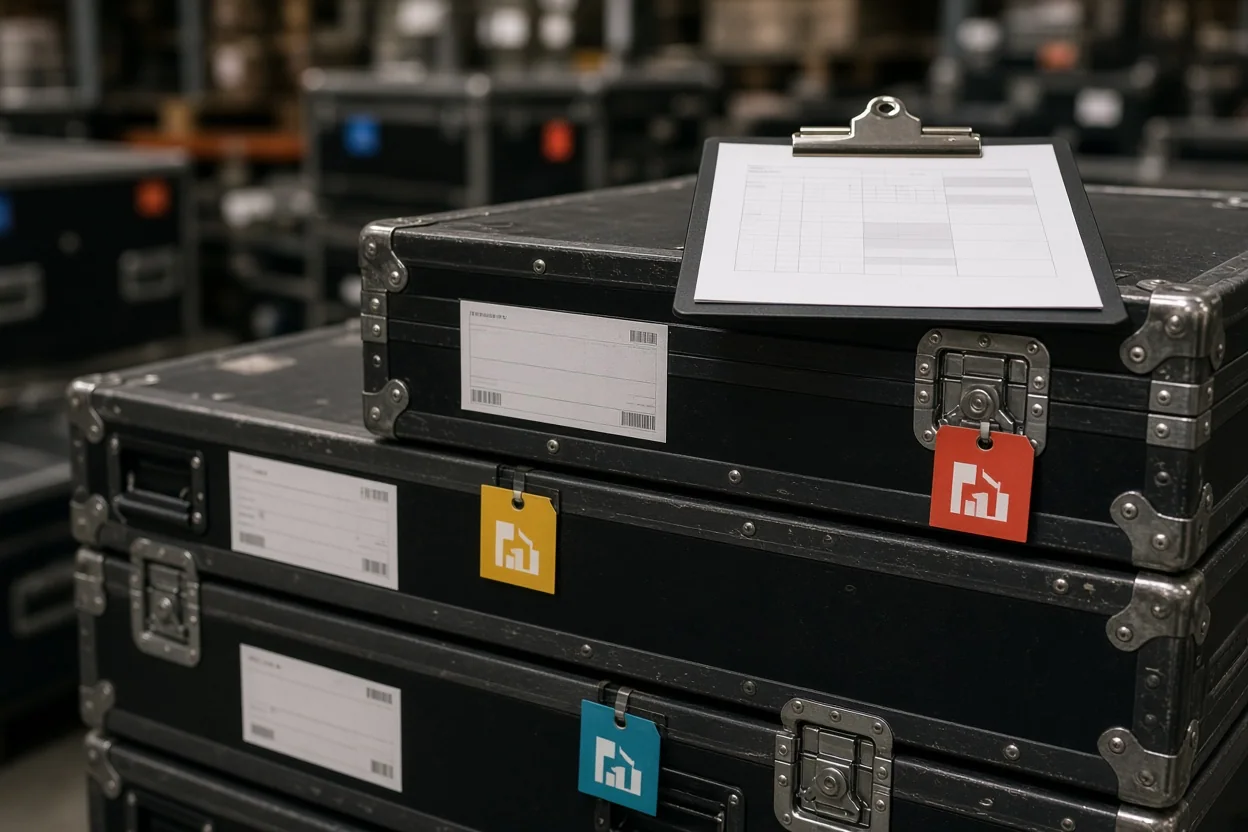
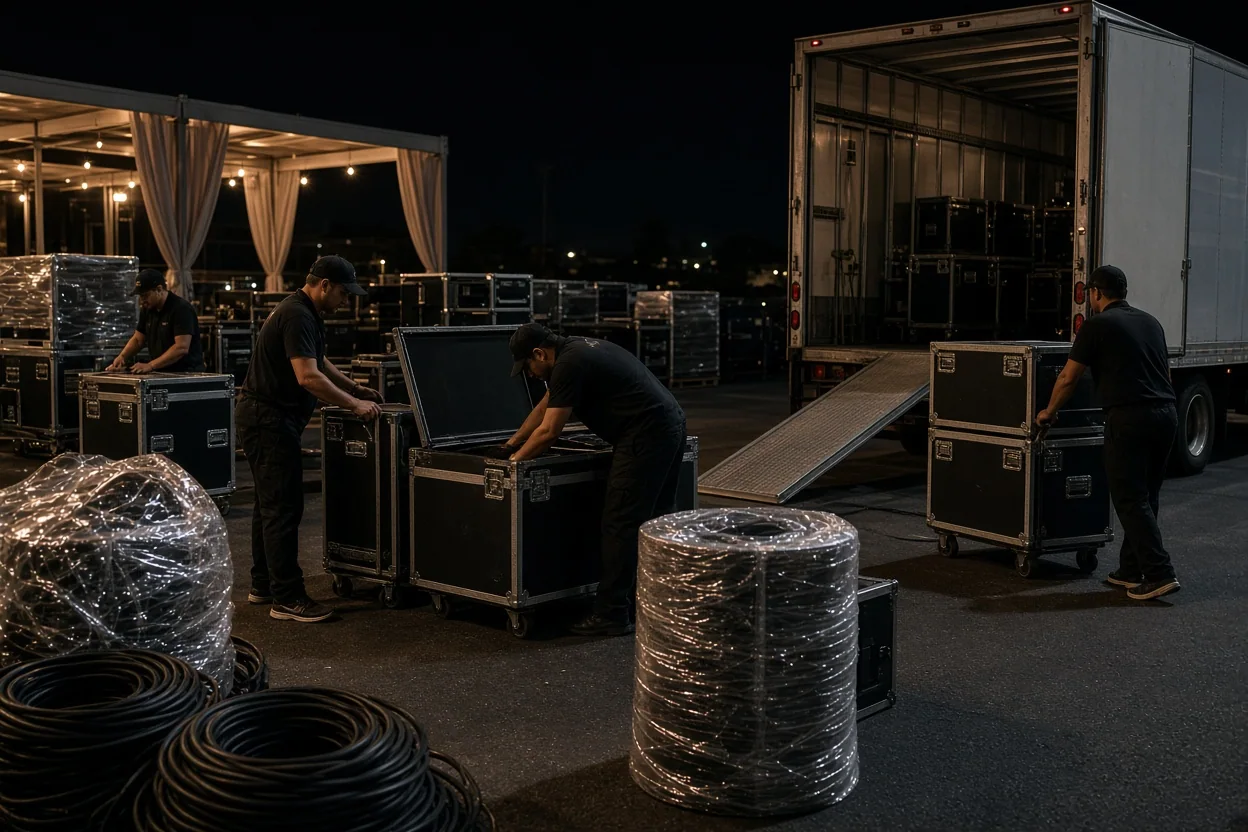
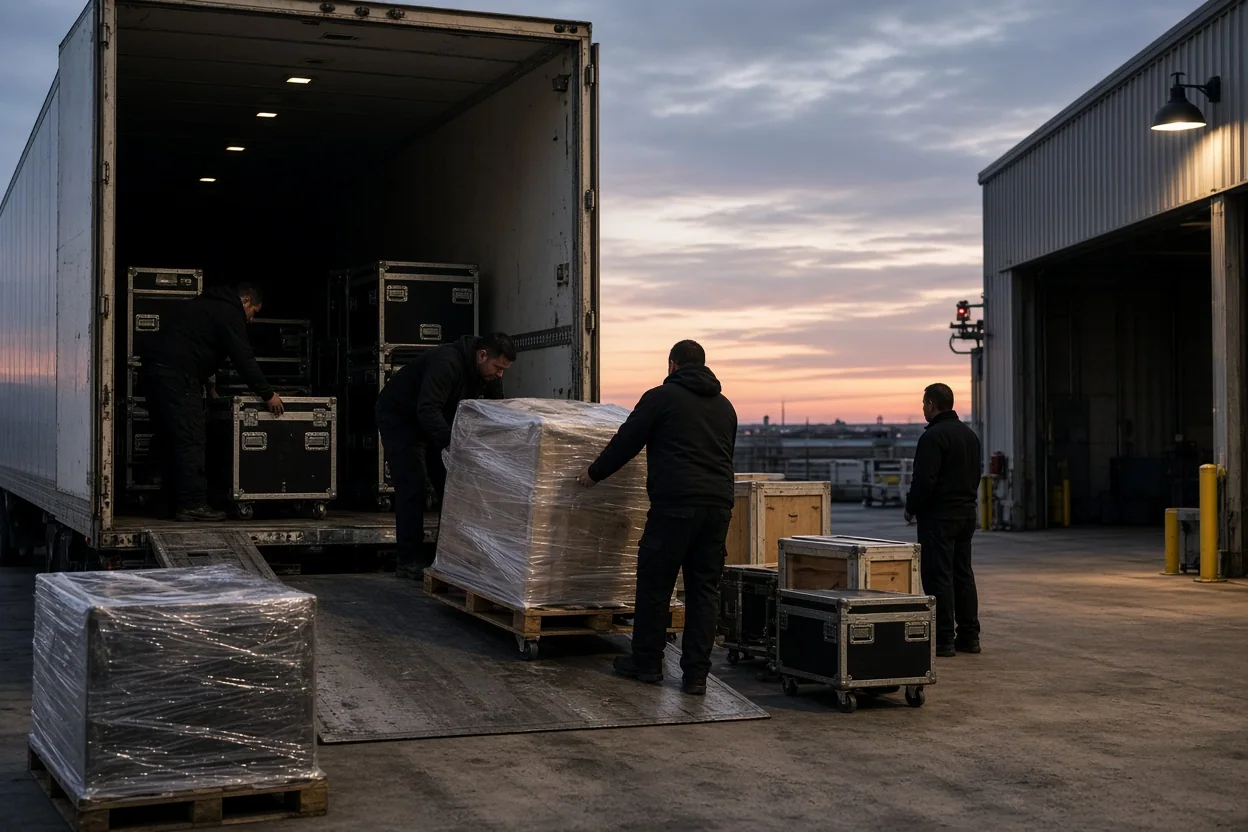
Touring retail activation programs depend on four operational pillars. Rapid deployment gets structures built fast. Customized transport moves fixtures between cities. Short-term storage holds inventory between stops. Reverse logistics recovers assets when the tour ends. Reliable transportation keeps every retail activation moving.

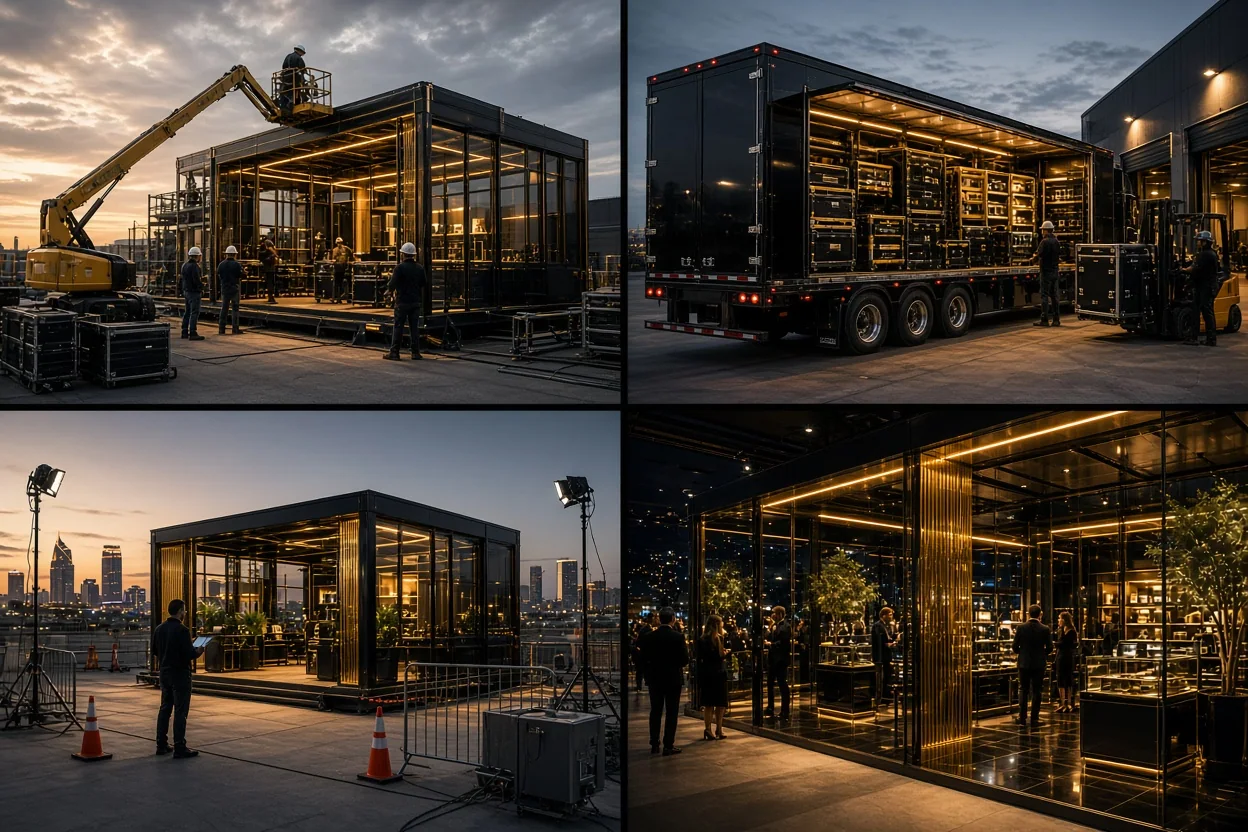
A glass-walled event pavilion is shown being assembled, transported on a trailer, and illuminated at an outdoor evening venue.

Can AI Systems Actually Speed Up Multi-Market Builds?

Yes. Automated production handles repeatable asset work. It also handles same-day edits. Human teams retain approval control. A memory layer carries client history forward. A publishing agent keeps social content live in every market.

Skipping a solid logistical foundation leaves transportation and inventory management exposed during the activation

How Do Brand Teams Build a Reliable Touring Program?

A strong brand plan gives every retail activation a clear purpose. The brand brief defines the brand promise, brand voice, and brand audience. Brand leaders can then align brand design, brand content, and brand staffing.

Each brand market needs a simple brand checklist. The brand manager confirms brand assets, brand approvals, brand inventory, and brand storage. This brand process reduces miscommunication. It also protects delivery times.

Before a retail activation opens, the brand team checks the brand message. The team checks brand signage, brand samples, brand uniforms, and brand content. A clear brand review helps staff engage the target audience.

Site planning should match the brand goal. The brand team studies the retail space and nearby traffic. It also studies the local network. That brand research helps each retail activation feel useful rather than temporary.

Storage planning begins with the brand footprint. The brand team assigns storage for fixtures, packaging, and spare inventory. Reliable storage also protects freight during changes.

Every retail activation needs a brand-specific shipping map. The brand map records freight pickup and freight arrival. It also records storage access and delivery times. This brand map helps crews engage visitors without waiting for missing assets.

A brand content plan keeps the retail activation active before opening. Brand stories can engage the target audience through social posts. They can also use email and local partnerships. Brand content should explain delivery times and event hours.

Staff training turns a brand plan into a customer experience. The brand lead explains brand values, brand language, and brand safety. Trained brand staff can engage visitors. They can also guide visitors through interactive displays.

Inventory counts support every retail activation. The brand coordinator tracks brand samples, brand merchandise, and brand replacements. The same coordinator confirms storage, supply levels, and delivery times.

Good storage makes touring easier. Storage keeps display parts organized by market. It also protects inventory from damage. Storage records show which brand assets move next.

Teams should set storage rules before the first retail activation. Those rules cover storage labels, storage access, storage security, and storage returns. Better storage supports sustainability. It reduces waste and unnecessary trips.

The network should connect storage sites, freight partners, and local crews. A shared network gives the brand team one view of inventory. The network also helps teams engage partners when delivery times change.

Retail activation reporting should connect activity with sales. Brand teams can track sales leads and sales conversations. They can also track sales from approved offers. The report shows whether the brand reached its target audience.

Brand awareness grows when a retail activation gives people a reason to participate. Interactive displays help visitors engage with the brand. Brand staff can explain the story. They can also invite visitors to share content.

Brand loyalty grows through consistent follow-up. After a retail activation, the brand sends useful content and clear next steps. Brand teams can engage returning visitors with new offers. They can also share updates and community news.

A product launch needs more than a finished product. The brand needs storage, inventory, staffing, and delivery times. A well-planned retail activation gives the brand team room to engage customers.

Some programs include unusual inventory labels or creative references. Teams may receive requests involving a ling cage incarnation or a needy streamer overload figure. The brand coordinator should verify each item, storage location, and approval before shipping.

Pop culture products can also shape a retail activation. A hololive funko pop, rengoku pop, or shinobu pop may need special inventory checks. The brand team confirms storage, freight protection, and delivery times before display.

These logistics strategies keep the brand experience steady. The brand lead reviews storage, inventory, freight, and staffing at every checkpoint. The result is a retail activation that feels simple to visitors.

Retail activation planning should account for sales goals and brand trust. The brand team sets sales targets, brand awareness goals, and brand loyalty measures. Staff then engage visitors without forcing a sales pitch.

Storage is part of the customer experience. Clean storage prevents damaged displays and missing samples. Good storage also gives brand staff confidence. Staff can then engage the target audience.

When inventory moves between cities, delivery times must remain visible. The brand manager shares delivery times with staff, suppliers, and the local network. That brand communication keeps each retail activation on schedule.

A retail activation can support brand awareness through interactive displays. Interactive displays invite visitors to engage, explore, and remember the brand. Brand teams can connect those actions with sales and brand loyalty.

Every brand asset needs an owner. The brand owner tracks brand files, brand signage, brand inventory, and brand storage. This brand ownership prevents confusion during freight handoffs.

Teams can improve brand loyalty through useful service. A retail activation should answer questions and offer product guidance. It should also respect delivery times. These details help the brand earn trust after the event.

Local partners strengthen a retail activation. Brand teams can engage creators, retailers, and community groups. The partners extend brand awareness. They also help the target audience find the retail space.

Storage plans should include a return path. The brand team schedules storage intake, storage sorting, and storage release. Inventory records support the next retail activation. They also reduce avoidable freight.

Sales teams need clear handoff rules. Brand staff record qualified interest and pass it to sales. Sales teams can then engage prospects with relevant follow-up. They do not need to repeat the event briefing.

A final brand review should happen before every retail activation. The review checks brand color, brand copy, brand inventory, and brand storage. It also confirms delivery times and interactive displays.

The closing report should show what worked. Brand leaders compare sales, engagement, brand awareness, and brand loyalty. They use those findings to improve the next retail activation.

Strong retail activations give each brand a clear role in the customer journey. A thoughtful retail activation can include a product demonstration and interactive displays. It can also include a second product demonstration for visitors who need more context. The brand team can use a third product demonstration to engage the target audience. A fourth product demonstration can support staff training. A fifth product demonstration can create shareable moments. A sixth product demonstration can strengthen brand loyalty. A seventh product demonstration can give the retail partner useful content. An eighth product demonstration can create a lasting impression. Each retail activation can become a brand activation. The point of purchase must support the story. An in-store event can use a qr code, gamification, augmented reality, and virtual reality. These tools can help consumers engage. A second in-store event can use augmented reality, interactive displays, and shareable moments. These tools can create another lasting impression. These retail activations support the campaign. They also give storytellers a clear way to explain the brand.

Every retail activation should respect customer needs. Customers notice when a brand activation feels helpful. They respond when a product demonstration answers a real question. Customers may enter because of foot traffic. They may stay for interactive displays, a product demonstration, or a campaign. Customers can share shareable moments with other customers. Customers who scan the qr code receive campaign details. Customers also remember a lasting impression when a brand team listens. Customers may return to the point of purchase. They may recommend the retail activation to other customers. Customers expect clear service. Customers value useful information. Customers appreciate staff who engage without pressure. Customers can compare products and ask questions. They can explore the brand at their own pace. Customers often connect a retail activation with brand loyalty. This happens when the experience feels consistent. Customers can also respond to gamification, augmented reality, virtual reality, and interactive displays. These tools must serve the campaign. Customers leave with a lasting impression when the brand story feels authentic.

Consumers enter a retail activation with different needs. Consumers notice the brand presentation. Consumers follow the campaign message. Consumers explore the product demonstration. Consumers respond to interactive displays. Consumers ask staff questions. Consumers compare available products. Consumers look for useful offers. Consumers value clear directions. Consumers remember a lasting impression. Consumers enter a retail activation with different needs. Consumers notice the brand presentation. Consumers follow the campaign message. Consumers explore the product demonstration. Consumers respond to interactive displays. Consumers ask staff questions. Consumers compare available products. Consumers look for useful offers. Consumers value clear directions. Consumers remember a lasting impression. Consumers enter a retail activation with different needs. Consumers notice the brand presentation. Consumers follow the campaign message. Consumers explore the product demonstration. Consumers respond to interactive displays. Consumers ask staff questions. Consumers compare available products. Consumers look for useful offers. Consumers value clear directions. Consumers remember a lasting impression. Consumers enter a retail activation with different needs. Consumers notice the brand presentation. Consumers follow the campaign message. Consumers explore the product demonstration. Consumers respond to interactive displays. Consumers ask staff questions. Consumers compare available products. Consumers look for useful offers. Consumers value clear directions. Consumers remember a lasting impression. Consumers enter a retail activation with different needs. Consumers notice the brand presentation. Consumers follow the campaign message. Consumers explore the product demonstration. Consumers respond to interactive displays. Consumers ask staff questions. Consumers compare available products. Consumers look for useful offers. Consumers value clear directions. Consumers remember a lasting impression. Consumers enter a retail activation with different needs. Consumers notice the brand presentation. Consumers follow the campaign message. Consumers explore the product demonstration. Consumers respond to interactive displays. Consumers ask staff questions. Consumers compare available products. Consumers look for useful offers. Consumers value clear directions. Consumers remember a lasting impression. Consumers enter a retail activation with different needs. Consumers notice the brand presentation. Consumers follow the campaign message. Consumers explore the product demonstration. Consumers respond to interactive displays. Consumers ask staff questions. Consumers compare available products. Consumers look for useful offers. Consumers value clear directions. Consumers remember a lasting impression. Consumers enter a retail activation with different needs. Consumers notice the brand presentation. Consumers follow the campaign message. Consumers explore the product demonstration. Consumers respond to interactive displays. Consumers ask staff questions. Consumers compare available products. Consumers look for useful offers. Consumers value clear directions. Consumers remember a lasting impression. Consumers enter a retail activation with different needs. Consumers notice the brand presentation. Consumers follow the campaign message. Consumers explore the product demonstration. Consumers respond to interactive displays. Consumers ask staff questions. Consumers compare available products. Consumers look for useful offers. Consumers value clear directions. Consumers remember a lasting impression. Consumers enter a retail activation with different needs. Consumers notice the brand presentation. Consumers follow the campaign message. Consumers explore the product demonstration. Consumers respond to interactive displays. Consumers ask staff questions. Consumers compare available products. Consumers look for useful offers. Consumers value clear directions. Consumers remember a lasting impression. Consumers enter a retail activation with different needs. Consumers notice the brand presentation. Consumers follow the campaign message. Consumers explore the product demonstration. Consumers respond to interactive displays. Consumers ask staff questions. Consumers compare available products. Consumers look for useful offers. Consumers value clear directions. Consumers remember a lasting impression. Consumers enter a retail activation with different needs. Consumers notice the brand presentation. Consumers follow the campaign message. Consumers explore the product demonstration. Consumers respond to interactive displays. Consumers ask staff questions. Consumers compare available products. Consumers look for useful offers. Consumers value clear directions. Consumers remember a lasting impression. Consumers enter a retail activation with different needs. Consumers notice the brand presentation. Consumers follow the campaign message. Consumers explore the product demonstration. Consumers respond to interactive displays. Consumers ask staff questions. Consumers compare available products. Consumers look for useful offers. Consumers value clear directions. Consumers remember a lasting impression. Consumers enter a retail activation with different needs. Consumers notice the brand presentation. Consumers follow the campaign message. Consumers explore the product demonstration. Consumers respond to interactive displays. Consumers ask staff questions. Consumers compare available products. Consumers look for useful offers. Consumers value clear directions. Consumers remember a lasting impression. Consumers enter a retail activation with different needs. Consumers notice the brand presentation. Consumers follow the campaign message. Consumers explore the product demonstration. Consumers respond to interactive displays. Consumers ask staff questions. Consumers compare available products. Consumers look for useful offers. Consumers value clear directions. Consumers remember a lasting impression. Consumers enter a retail activation with different needs. Consumers notice the brand presentation. Consumers follow the campaign message. Consumers explore the product demonstration. Consumers respond to interactive displays. Consumers ask staff questions. Consumers compare available products. Consumers look for useful offers. Consumers value clear directions. Consumers remember a lasting impression. Consumers enter a retail activation with different needs. Consumers notice the brand presentation. Consumers follow the campaign message. Consumers explore the product demonstration. Consumers respond to interactive displays. Consumers ask staff questions. Consumers compare available products. Consumers look for useful offers. Consumers value clear directions. Consumers remember a lasting impression.

At each stop, the team treats the retail activation as a live customer experience. The retail activation starts with a brand brief. The next retail activation follows the same brand standards and values. A retail activation review lets the operations team adjust staffing. The team makes changes before the retail activation opens. During the retail activation, staff listen to customers. They help customers find relevant products for the target audience. The team then measures useful engagement. It also checks whether the retail activation reflected brand values. This brand process keeps the retail activation consistent across markets. Experiential retail and meaningful connections help visitors remember the experience.

An effective brand strategy gives the brand a clear role in each retail activation. The retail activation should reflect the brand values that guide the brand. A purposeful brand activation can build meaningful connections with the target audience. A second brand activation can deepen those meaningful connections. The retail activation can continue online through e-commerce and social media integration. Strong experiential retail gives the brand another way to create meaningful connections. Social media integration helps the retail activation reach the target audience beyond the venue. In-store activation details can support the retail activation. Social media integration can extend the story.

Before launch, the brand manager checks the retail activation schedule. The manager confirms that the retail activation supports the promise. A retail activation rehearsal lets the team test the retail activation. Another retail activation review checks freight and staffing. After opening, the brand team watches visitor movement. The team checks whether the retail activation gives the target audience a reason to stay. That retail activation can guide the next retail activation. A later retail activation can refine the same approach. The retail activation team documents the retail activation for future planning. The report connects each retail activation to the wider brand plan. The brand can then improve the next retail activation.

What Mistakes Threaten a Touring Pop-Up?

Weak freight and inventory planning can cause touring pop-up failures. A missing logistics foundation exposes shipping schedules. Stock counts can fail when a market opens. This can turn a promising launch into a scramble. Brands new to multi-market rollouts often underestimate coordination needs. They may not see the value that experienced teams bring to national pop-up production. Building and staffing programs across cities for over two decades reveals hidden problems. A first-time crew rarely anticipates these problems.

Why does local buzz fall apart in new markets?

Local buzz fails when brands skip creator and influencer recruitment. Waiting until setup week wastes the short awareness window. Each touring stop needs that window. Early outreach helps engage the target audience before the retail activation opens.

Three mistakes repeat most often:

  • Treating pop-up logistics as an afterthought instead of the schedule's backbone.

  • Waiting until the tour ends to review performance data.

  • Skipping outreach to local creators before each market opens.

A successful retail activation tracks results city by city. Teams adjust the next stop before the full tour closes. This approach improves sales, brand awareness, customer experience, and brand loyalty.

Pop-up shop success depends on planning and execution. Site selection, permits, staffing, storage, and freight all affect results. Each decision can improve foot traffic, engagement, and sales. Strong logistics turn temporary installations into lasting brand moments.

FAQ

Does a pop-up shop require a dedicated production team?

Yes. A dedicated team handles production, launches, and staffing for touring retail programs. That structure prevents brands from improvising staging and content capture on-site.

What needs to happen before selecting a pop-up site?

Brand strategy and positioning come first. Teams lock the message, visual identity, and audience targeting before signing a lease or booking freight.

A broadcast operator manages a live event from a production console, with an Emmy statuette and audience-filled stage visible beyond.

What are the core stages of pop-up production?

Pop-up production moves through five stages. They are strategy, logistics mapping, build, activation, and teardown. Teams confirm strategy first. This step avoids mismatched messaging across markets.

WM

About Whisenhunt Media

Whisenhunt Media is a content creator at Whisenhunt Media, passionate about crafting engaging stories that connect with audiences and drive results.

On this page

  1. 01Key Takeaways
  2. 02What Do You Need Before You Launch a Pop-Up?
  3. 03How Do You Execute Pop-Up Production Step by Step?
  4. 04How Do Brand Teams Build a Reliable Touring Program?
  5. 05What Mistakes Threaten a Touring Pop-Up?
  6. 06FAQ

Related Posts

Top Corporate Event Companies Las Vegas

Aug 25, 2026

Top Experiential Marketing Companies Las Vegas

Aug 4, 2026

Experiential Marketing: Creating Memorable Brand Events

Jul 24, 2026

Services Related to This Article

Ready to put these ideas to work? Explore how Whisenhunt Media can help.

Marketing

Full-funnel strategy that turns views into customers.

SEO Optimization

Rank higher and capture high-intent search traffic.

    Whisenhunt Media - Professional Video Production

    Emmy Award-Winning Video Production & Digital Marketing. Las Vegas, NV.

    Quick Links

    • Home
    • Free Analysis
    • FAQ
    • About Us
    • Glossary
    • Services
    • Contact
    • Portfolio
    • Client Portal
    • Blog

    Services

    • Commercial Video
    • Post-Production
    • Corporate Video
    • Website Development
    • Event Coverage
    • Experiential Marketing
    • SEO Optimization
    • Aerial Videography
    • Marketing
    • Social Media Video
    • AI Optimization

    Subscribe

    Subscribe to our newsletter for the latest news and special offers.

    By subscribing, you agree to our Privacy Policy.

    Privacy PolicyTerms of ServiceCookie PolicySitemap

    © 2026 Whisenhunt Media. All rights reserved.