

In the competitive landscape of dental practices, a comprehensive SEO audit is essential for optimizing online visibility and attracting new patients. This article delves into effective strategies for enhancing dental websites, focusing on local SEO, video marketing, content marketing, website performance, reputation management, and continuous improvement. By understanding the intricacies of a dental website SEO audit, practitioners can address common pain points such as low search rankings and poor user engagement. We will explore the essential components of an SEO audit, including the implementation of dental practice schema, effective website audit tools, and strategies for optimizing site performance. Additionally, we will discuss how video marketing can significantly boost SEO and user engagement, ultimately driving growth for dental practices.
Local SEO Optimization:

Local SEO is crucial for dental practices aiming to enhance their visibility in local search results. By optimizing for local search, dentists can attract more patients from their immediate geographic area. Key strategies include maintaining an updated Google Business Profile, utilizing localized keywords, and actively managing online reviews. These elements not only improve search rankings but also build trust with potential patients.
Video Marketing:
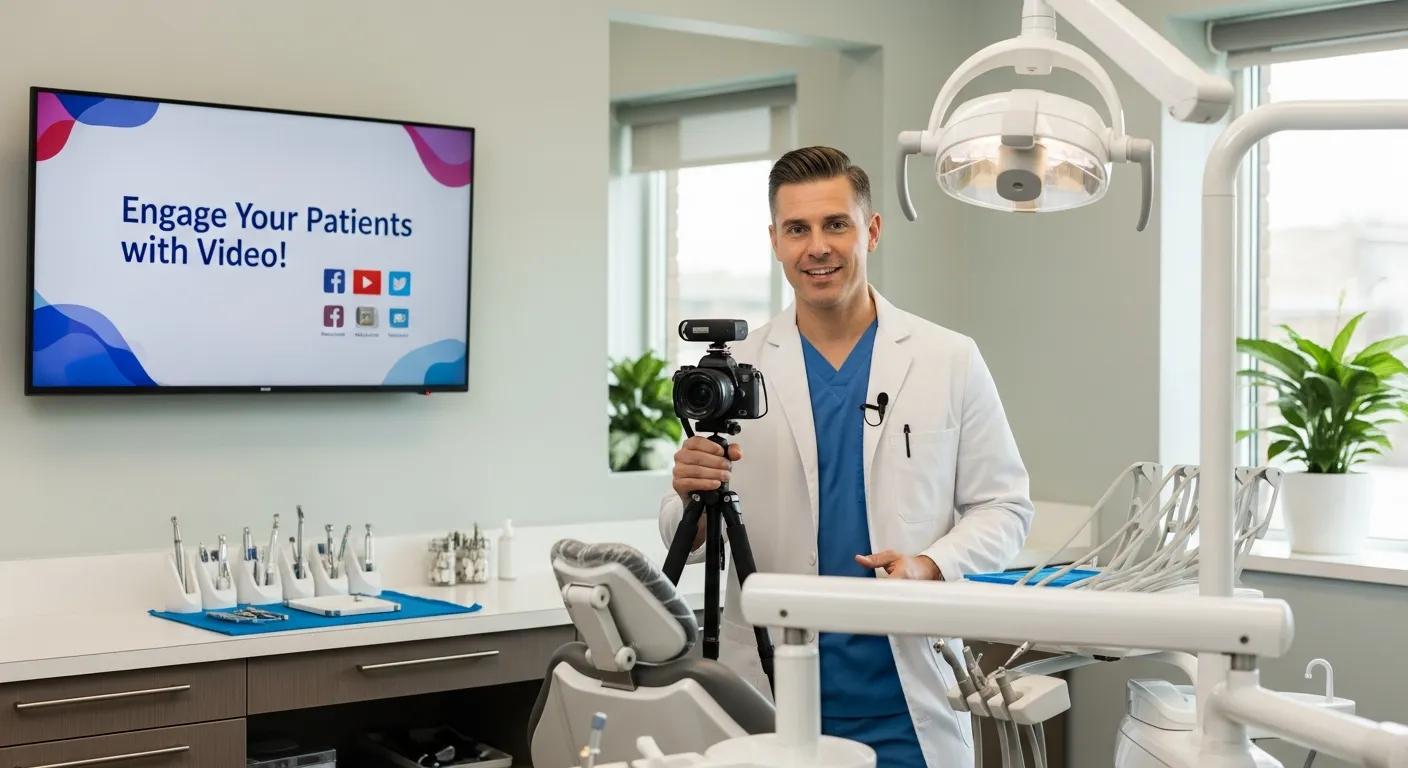
Video marketing has emerged as a powerful tool for dental practices to engage with their audience and improve SEO. By creating informative and engaging video content, dentists can build trust and showcase their expertise. Effective video SEO practices, such as optimizing titles, descriptions, and tags, can enhance visibility on platforms like YouTube and Google. Engagement metrics, including watch time and shares, further contribute to improved search rankings.
Whisenhunt Media specializes in video production and marketing services, helping dental practices create high-quality video content that resonates with their audience. By leveraging professional video marketing, dentists can effectively communicate their services and foster a connection with potential patients.
Content Marketing:
Content marketing plays a vital role in attracting and retaining patients through valuable information. By publishing educational materials, dental practices can establish authority in their field and address common patient concerns. Effective calls-to-action (CTAs) within the content can guide potential patients toward scheduling appointments or seeking further information. This strategy not only enhances patient engagement but also contributes to improved search rankings.
Website Performance:
Assessing and improving website performance metrics is essential for ensuring a seamless user experience. Technical SEO audits can identify issues such as slow loading times, broken links, and mobile responsiveness. By implementing analytics tracking, dental practices can monitor user behavior and make data-driven decisions to enhance site performance. Improving user experience leads to higher engagement rates and better search rankings.
Metric | Description | Value |
|---|---|---|
Page Load Time | Average time taken for a page to fully load | Under 3 seconds |
Bounce Rate | Percentage of visitors who leave after viewing one page | Below 40% |
Mobile Responsiveness | Percentage of users accessing the site on mobile devices | Over 50% |
This table highlights the critical performance metrics that dental practices should monitor to ensure optimal website functionality.
Reputation Management:
Managing online reputation is crucial for attracting new patients and maintaining trust. Proactive engagement with reviews, both positive and negative, can enhance credibility. Encouraging satisfied patients to leave reviews and addressing concerns promptly can significantly impact a practice's online reputation. This strategy not only builds trust but also influences potential patients' decisions.
Measurement and Continuous Improvement:
Tracking and improving SEO efforts is an ongoing process. By monitoring key performance indicators (KPIs) such as organic traffic, conversion rates, and engagement metrics, dental practices can assess the effectiveness of their SEO strategies. Implementing A/B testing strategies allows for continuous optimization, ensuring that practices stay ahead in the competitive landscape.

What Are the Essential Components of a Dental Website SEO Audit?
A dental website SEO audit encompasses several key components that are essential for optimizing online presence. Understanding dental practice schema, evaluating site performance metrics, and leveraging video marketing are critical elements of this process. By focusing on these components, dental practices can enhance their visibility and attract more patients.
How Does Dental Practice Schema Enhance SEO Performance?
Dental practice schema is a form of structured data that helps search engines understand the content of a website. By implementing schema markup, dental practices can improve their visibility in search results and enhance click-through rates. This structured data provides search engines with essential information about the practice, such as location, services offered, and contact details, ultimately leading to better local search rankings.
Which Website Audit Tools Are Most Effective for Dentists?
Several website audit tools can assist dental practices in conducting thorough SEO audits. Popular options include Google Search Console, SEMrush, and Ahrefs. These tools offer features such as site performance analysis, keyword tracking, and backlink monitoring, enabling dentists to identify areas for improvement and optimize their online presence effectively.
How to Optimize Dentist Site Performance for Improved Search Rankings?
Optimizing dentist site performance involves several actionable steps. Utilizing analytics tools to monitor user behavior, continuously performing performance monitoring, and incorporating local SEO strategies are essential for enhancing search rankings. By focusing on these areas, dental practices can improve their online visibility and attract more patients.
What Metrics Define Dentist Site Performance?
Key performance metrics for dental websites include view count, engagement rate, and conversion rate. Monitoring these metrics allows practices to assess the effectiveness of their online strategies and make informed decisions for improvement. Understanding these metrics is crucial for optimizing website performance and enhancing patient acquisition.
How Can Video Marketing Boost Dental SEO and User Engagement?
Video marketing can significantly enhance dental SEO and user engagement by providing valuable content that resonates with potential patients. By creating educational videos that address common dental concerns, practices can build trust and credibility. Additionally, sharing video content on social media platforms can increase visibility and drive traffic to the website.
What Are Best Practices for Local SEO in Dental Practices?
Implementing best practices for local SEO is essential for dental practices to improve their online visibility. Key tactics include optimizing the Google Business Profile, using localized keywords, and managing online reviews effectively. These strategies can help practices attract more patients from their local area and enhance their search rankings.
How to Implement LocalBusiness Schema for Dental Practices?
Implementing LocalBusiness schema involves several steps. First, identify the types of schema markup relevant to the practice. Next, add the schema markup to the website's code, ensuring that it includes essential information such as the practice's name, address, and services offered. Finally, test the implementation using Google's Structured Data Testing Tool to ensure accuracy.
Which Local SEO Strategies Drive Patient Acquisition?
Effective local SEO strategies for driving patient acquisition include maintaining NAP (Name, Address, Phone) consistency across online platforms, creating localized content, and optimizing for mobile devices. By focusing on these strategies, dental practices can enhance their visibility in local search results and attract more patients.
How Often Should Dental Websites Undergo SEO Audits and Updates?
Dental websites should undergo SEO audits and updates at least annually, though quarterly audits are recommended for optimal performance. Regular monitoring of changes in search algorithms and user behavior is essential for adjusting strategies and maintaining a competitive edge.
What Are the Recommended Audit Checklists for Dental Websites?
Essential checklists for dental website audits should include components such as technical SEO checks, content quality assessments, and performance metrics evaluations. Utilizing these checklists can help practices ensure that their websites are optimized for search engines and user experience.
How to Monitor and Measure SEO Audit Effectiveness?
Monitoring and measuring the effectiveness of SEO audits involves tracking metrics such as organic traffic, conversion rates, and engagement metrics. By analyzing these data points, dental practices can assess the impact of their SEO strategies and make necessary adjustments for continuous improvement.
Free tool
See what AI says about your business
Kiki, our AI strategist, reads your real website in a live browser and hands you a personalized growth plan in about a minute. Free, no signup.
Analyze my business →About Bernadette Valer
Bernadette Valer is part of the production team at Whisenhunt Media, writing from the projects the studio plans, shoots, and ships.