
A polished law firm website can still feel distant. Visitors may see a clean layout, strong credentials, and clear services. Then they notice the same stock handshake or courthouse photo used by every other firm. The site loses its human side.
Lionheart Law had a strong website. The firm did not need a complete rebuild. It needed visual content that matched the quality of its legal work. Generic stock photos could not show the team, the office, or the city they serve. The goal was simple: create authentic images that made the existing site feel more personal and more credible.
This project also showed how visual planning supports web work. The same care used in las vegas video production applies to photography. Start with the audience, plan each shot around a clear use, and deliver files that work on the web. Strong creative work should serve the page, not sit beside it.
The Problem with Stock Photography
Walk through many law firm websites and you will find the same visual shortcuts. There is the handshake in a conference room. A gavel sits on a desk. An attorney looks out a window. These images may look professional, but they rarely say anything about one specific firm.
Stock photos also create a trust problem. A potential client wants to know who will handle a serious matter. A generic image cannot show the people behind the practice. It cannot show the office where meetings happen. It cannot connect the firm to the local community.
Lionheart Law wanted visitors to see its actual team, real office, and the city it serves. That required custom photography rather than a subscription library. The images needed to feel natural while still meeting the standards of a professional legal brand.
The Shoot: Three Types of Essential Content
We planned the project around three content types. Each type had a clear role on the website. This kept the shoot focused and helped ensure that every image had a useful destination.
- Professional headshots: Headshots give faces to names. When visitors read an attorney profile, they are not only reviewing credentials. They are also deciding whether they could trust and work with that person. Consistent lighting, backgrounds, and framing create a clear visual system across the team.
- Lifestyle photography: Lifestyle images show the firm in action. They can capture team collaboration, client conversations, and community involvement. These scenes add warmth without losing a professional tone. They help visitors understand the people and culture behind the legal work.
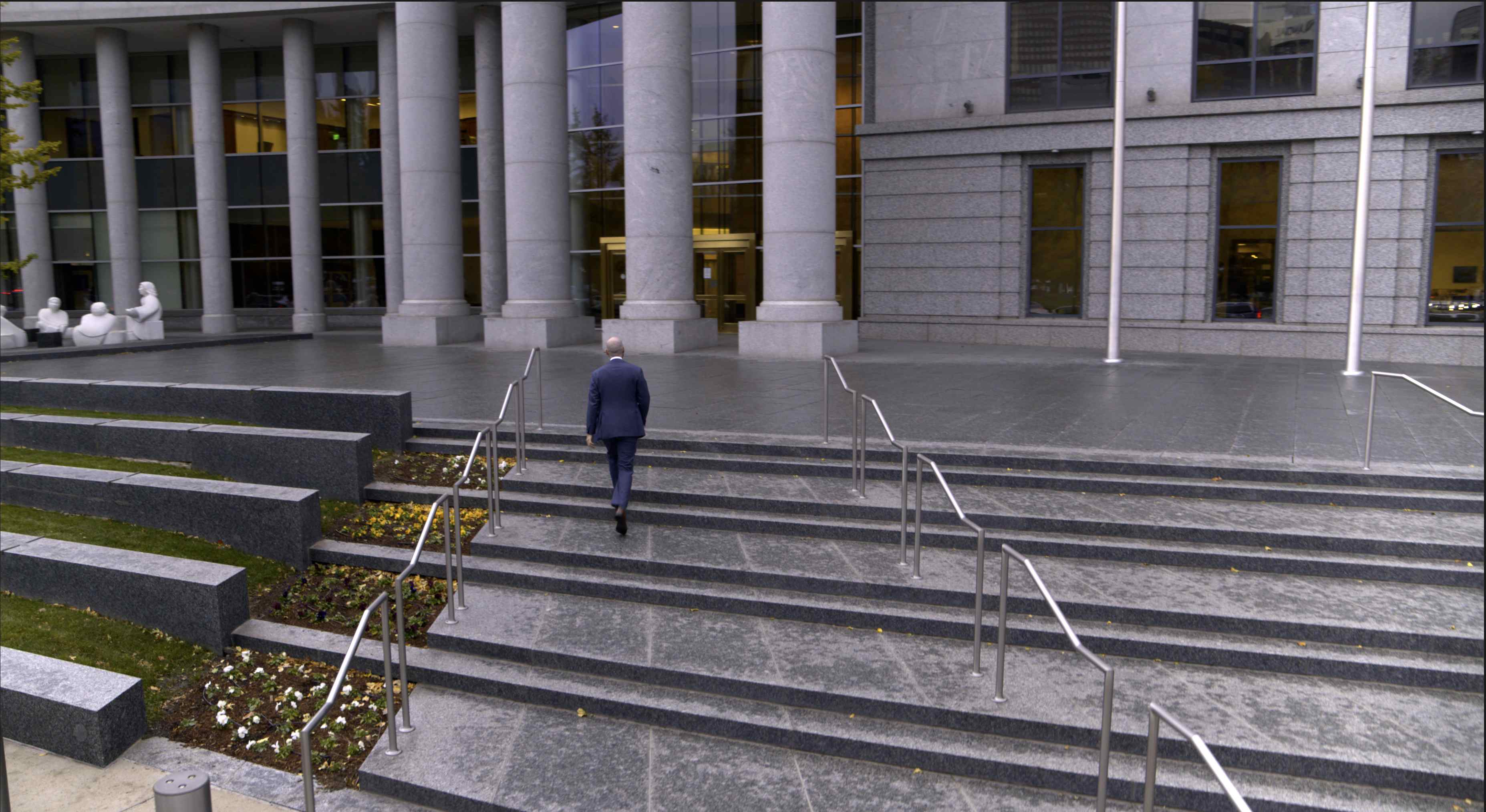
- Aerial imagery: Drone footage adds a wider sense of place. Images of the courthouse and nearby area connect the firm to its location. They can also create strong hero visuals for landing pages. In this project, the aerial shot of an attorney walking up the courthouse steps became one of the most powerful images on the site.
Each category supported a different page need. Headshots served attorney profiles. Lifestyle images added depth to service and about pages. Aerial images helped establish place and scale. This approach is useful for any visual project, including las vegas video production, because it connects creative choices to the visitor journey.
Plan Visuals Before the Camera Arrives
Good results start before the shoot. A team should review the website and list the spaces, people, and page layouts that need visual support. That list can include profile pages, service pages, landing pages, social posts, and future campaigns.
It also helps to define the purpose of each image. A headshot needs a different frame than a homepage hero. A community scene needs a different setup than a tightly cropped profile image. When the team understands those uses early, it can capture more useful options during the shoot.
This planning step prevents a common waste. A firm may receive hundreds of attractive images but still lack the exact files its website needs. A smaller set of purposeful images often creates more value than a large set with no clear use.
Integration: Photography as Web Development
Good photos alone are not enough. Images must fit the website's technical framework. That includes the right dimensions for each layout, sensible file sizes, and editing that matches the site's color palette.
Large files can slow a page. Slow pages can make visitors leave before they read the content. We delivered images prepared for web use instead of only supplying high-resolution files. Each photo was processed with the site's technical requirements in mind.
Teams can review loading performance with tools such as Google PageSpeed Insights. The tool helps identify issues that affect page speed and user experience. It does not replace good design, but it gives a useful technical check before launch.
This is where photography and web development meet. The creative team needs to understand how an image will appear on desktop and mobile screens. It should know when a wide crop will lose a person's face. It should also know when a file needs compression or a different format.
How to Build a Stronger Visual Asset Plan
- Review the current site: Find pages with weak, repeated, or missing imagery.
- Set a visual goal: Decide what visitors should feel and understand after seeing the images.
- Map each asset: Assign photos or video clips to specific pages and placements.
- Capture variety: Create wide, medium, and close views for flexible layouts.
- Prepare files for the web: Export useful sizes, compress files, and keep the look consistent.
- Check the live pages: Review the images on phones, tablets, and larger screens.
This process works for a law firm, a professional service company, or a brand planning las vegas video production. The format may change, but the discipline stays the same. Every asset should have a job.
The Impact: Elevating an Existing Foundation
The website structure was already solid. New photography made it more memorable. Visitors could see real people, real spaces, and a real connection to the community. The site kept its technical foundation while gaining a stronger visual presence.
The project reinforced an important point about modern web development. A rebuild is not always the best answer. Sometimes the right assets can improve a site without changing its structure. Great photography, placed and prepared correctly, can transform the experience without touching a line of code.
For law firms and other professional services, this approach offers a practical path forward. Start with the pages that matter most. Create images that support those pages. Then make sure the files load quickly and look right on every screen.
Who Runs This Playbook
Vektor brings creative production and web development into the same planning process. That helps teams make visual choices with both brand and performance in mind. If your site needs stronger photography, video, or web-ready content, you can contact our team to discuss the next step.
The best visual asset is not the one that looks good alone. It is the one that makes the right page impossible to forget.
Free tool
See what AI says about your business
Kiki, our AI strategist, reads your real website in a live browser and hands you a personalized growth plan in about a minute. Free, no signup.
Analyze my business →About Ben Whisenhunt
Ben Whisenhunt is the Creative Director at Whisenhunt Media, specializing in cinematic video production and brand storytelling. With years of experience in the Las Vegas market, Ben helps businesses elevate their brand through compelling visual content.