

Your event drew a crowd, the booth stayed busy, and the team came home with almost nothing it could publish. The camera missed the product demo. Room noise swallowed the best quote. By the time anyone reviewed the footage, the moment had passed, and the budget had already been spent. This is a familiar failure: a live experience succeeds in the room but leaves no usable story afterward.
That gap usually starts before event day. When activation design, filming, and distribution are planned separately, no one owns the full path from audience interaction to finished content. A stronger plan treats the experience and its capture as one production: what people will do, what the camera needs to see and hear, and where each asset will go next. The goal is not simply to record an event. It is to make the event work in the room and after it closes.
Key Takeaways
- A unified approach turns one event into reusable brand assets and post-event coverage.
- Teams focused only on logistics may miss footage suited for later distribution.
- Planning capture alongside the live experience can extend media coverage beyond the event.
Experiential Marketing and Video Production Serve Different Roles
Experiential marketing creates live, in-person brand moments. Video production captures and delivers finished visual assets. These fields serve different needs, yet strong campaigns often use both together. Live experiences can build brand recognition, while planned content can extend their reach. Teams may also use Google Analytics campaign tracking to organize and review digital traffic.
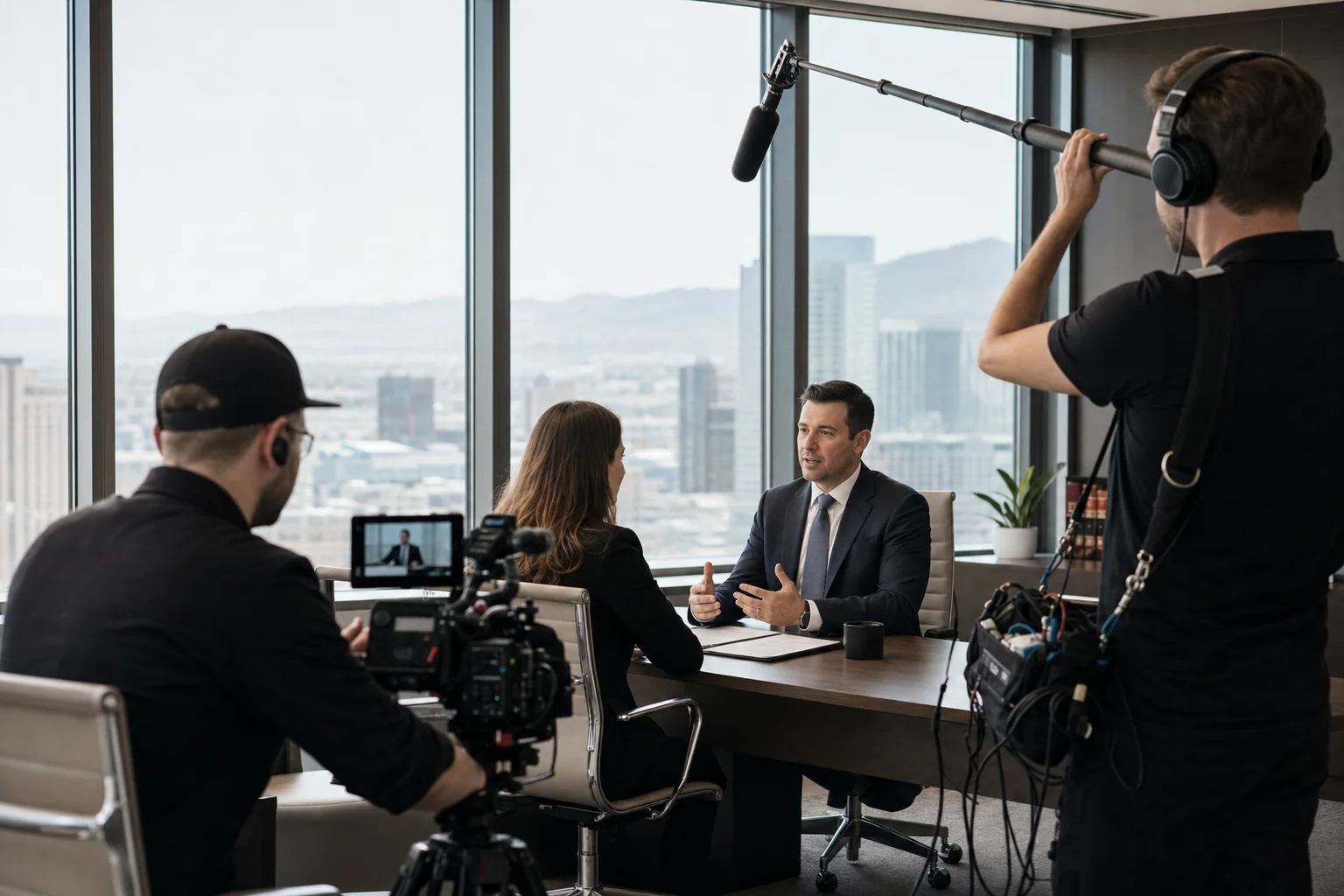
Live Experiences Give People a Reason to Engage
Experiential marketing can include product launches, pop-ups, trade-show activations, and corporate events. People can see products, speak with representatives, and share a moment. That direct contact may support brand recall and brand awareness in ways passive media cannot. A brand activation gives people a direct way to encounter and engage with a company. Video production teams often focus on filming, editing, and delivering finished assets. One team captures a polished file, while another creates a shared experience. Good planning can help both generate press coverage.
An Integrated Service Connects the Experience to Content
A full-service marketing agency may offer strategy, branding, creative development, digital work, and video. Whisenhunt Media brings these disciplines together under one accountable structure. A trade-show booth can attract leads while a crew captures useful content. That footage may later support social posts, sales materials, campaign distribution, and earned media outreach. An integrated experiential marketing and event production partner plans the live moment and its content ecosystem. This approach keeps event production aligned with content capture.
The distinction matters when marketing leaders commit significant event budgets. A standalone video crew documents what happens during the event. An integrated team helps shape the experience and plan its follow-up. That work can support market visibility and create more chances for media attention.
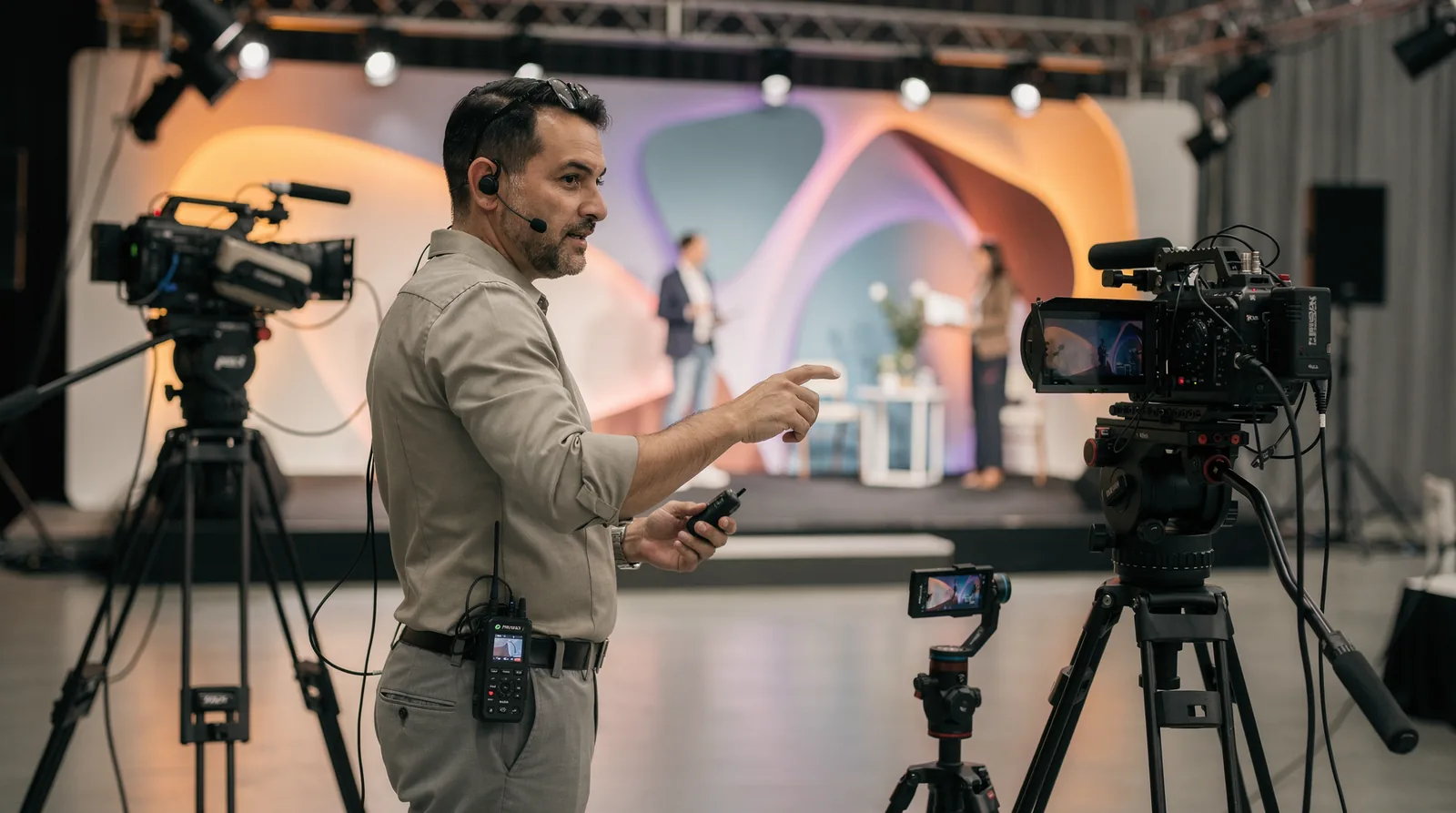
Plan Live Production and Video Capture Together
Experiential marketing activations create moments that pass quickly. When event planning and video capture happen separately, useful moments may go undocumented. A unified plan can turn one activation into a lasting content library. Each suitable clip can become a brand asset and support broader distribution. Experiential marketing campaigns benefit when capture and distribution are planned together.
Whisenhunt Media designs activations to be content-ready and production-proven. Trade-show booths, launches, and corporate pop-ups can also serve as live sets. Planning can cover camera placement, lighting, sound, and capture workflows. This approach helps create brand, social, search, and sales assets. Content planning can also give media outlets more useful material to share.
Separate plans can leave gaps in the final footage. Poor lighting may obscure faces, while key soundbites go unrecorded. Those gaps can limit reuse across paid and organic channels. A connected plan treats video as a core deliverable, not an afterthought. That can also give the press a clearer story to carry.
Integrated Capture Gives Content More Ways to Work
One activation can yield testimonials, product demonstrations, and short social clips. Each asset can support search, email, or advertising after the venue closes. A clear distribution plan helps teams see where each clip belongs. Relevant, shareable assets can also encourage sharing and extend brand reach.
Separate Vendors Can Make Reuse Harder
Separate production and video teams often work on different schedules. The event crew focuses on the live experience, while the video crew seeks usable footage. Misaligned planning can reduce the amount of publishable content. This explains how does the experiential marketing approach of whisenhunt media differ from other agencies: live design and content capture share a plan.
Whisenhunt Media brings award-recognized video craft together with live activations. That can reduce gaps between the original idea and its delivery. It also gives earned media a stronger set of ready-to-share assets.
One Connected Production Model Supports Consistency
Some agencies hand execution to separate production houses after developing a concept. Whisenhunt Media connects creative development, on-site work, and post-event content. This structure supports faster decisions and consistent quality across deliverables. An experiential marketing agency can coordinate those stages within one connected production model.
Connect Creative Work to Business Goals
Each engagement should connect the creative work to audience needs and business goals. A standalone video or event may lack that wider frame. Instead, experiential marketing campaigns can create content, audience insight, and brand awareness. Teams can then plan distribution that supports earned media beyond the event floor.
Human-directed AI support can assist with planning, research, and production workflows. Human directors and strategists remain responsible for creative judgment. This support can help teams organize pre-production and post-production work. It does not replace the choices that shape a strong experience.
For corporate teams, one accountable partner can reduce vendor complexity. Whisenhunt Media provides experiential marketing and corporate events alongside video production. That connection can preserve creative direction from concept through review. It can also make earned media planning part of the original work.
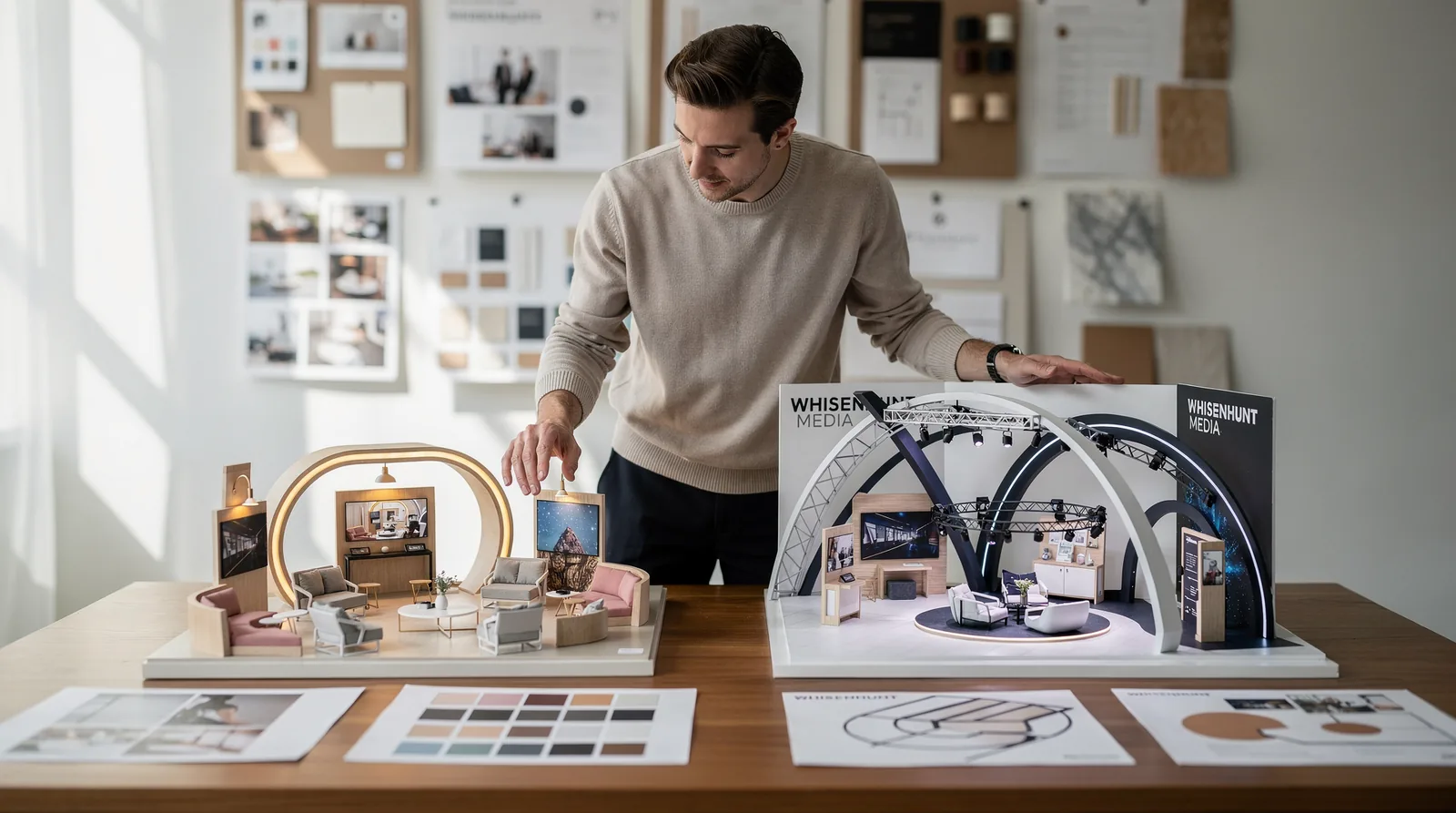
Choose a Partner Based on Scope and Goals
Start by weighing four factors: business needs, campaign goals, growth plans, and timing. Leap Group Network also highlights these considerations when planning video work. Skipping this review can lead to mismatched deliverables and wasted effort. Clear goals also help teams define useful earned media measures.
Match the Partner to the Work You Need
A full-service marketing agency can suit organizations needing strategy, branding, creative work, and video. Trivision Studios describes this model as useful when several marketing functions must work together. Whisenhunt Media offers brand strategy, content creation, website development, SEO, social media management, and analytics. One connected structure can improve coordination across these services. It can also help earned media fit the wider campaign. When comparing options, an experiential marketing agency may be a fit for work that combines live experiences and content.
Balance Craft Quality With Strategic Integration
Video production companies can bring strong craft, but may not manage wider campaign needs. A polished asset can sit unused without distribution channels or conversion support. Production houses focus on the shoot, while agencies can connect it to holistic marketing solutions. Those solutions can connect creative work to the customer journey and earned media.
Three practical criteria help distinguish the available options:
- Scope of services: Production alone, or strategy and delivery across channels.
- Campaign continuity: One-time assets, or ongoing review and improvement.
- Growth alignment: Tactical output, or work tied to business goals.
Timing also affects the decision. Tight deadlines may favor a specialized production team. Long-term brand building may suit an integrated agency. That model can connect creative work, measurement, distribution, and earned media.
Consider the Full Cost of Integration
Integrated experiential marketing can change how teams use their budgets. One accountable partner may reduce duplicate discovery and project coordination. Whisenhunt Media combines award-recognized video craft, live production, and integrated marketing. Compared with separate vendors, that structure can simplify planning and delivery.
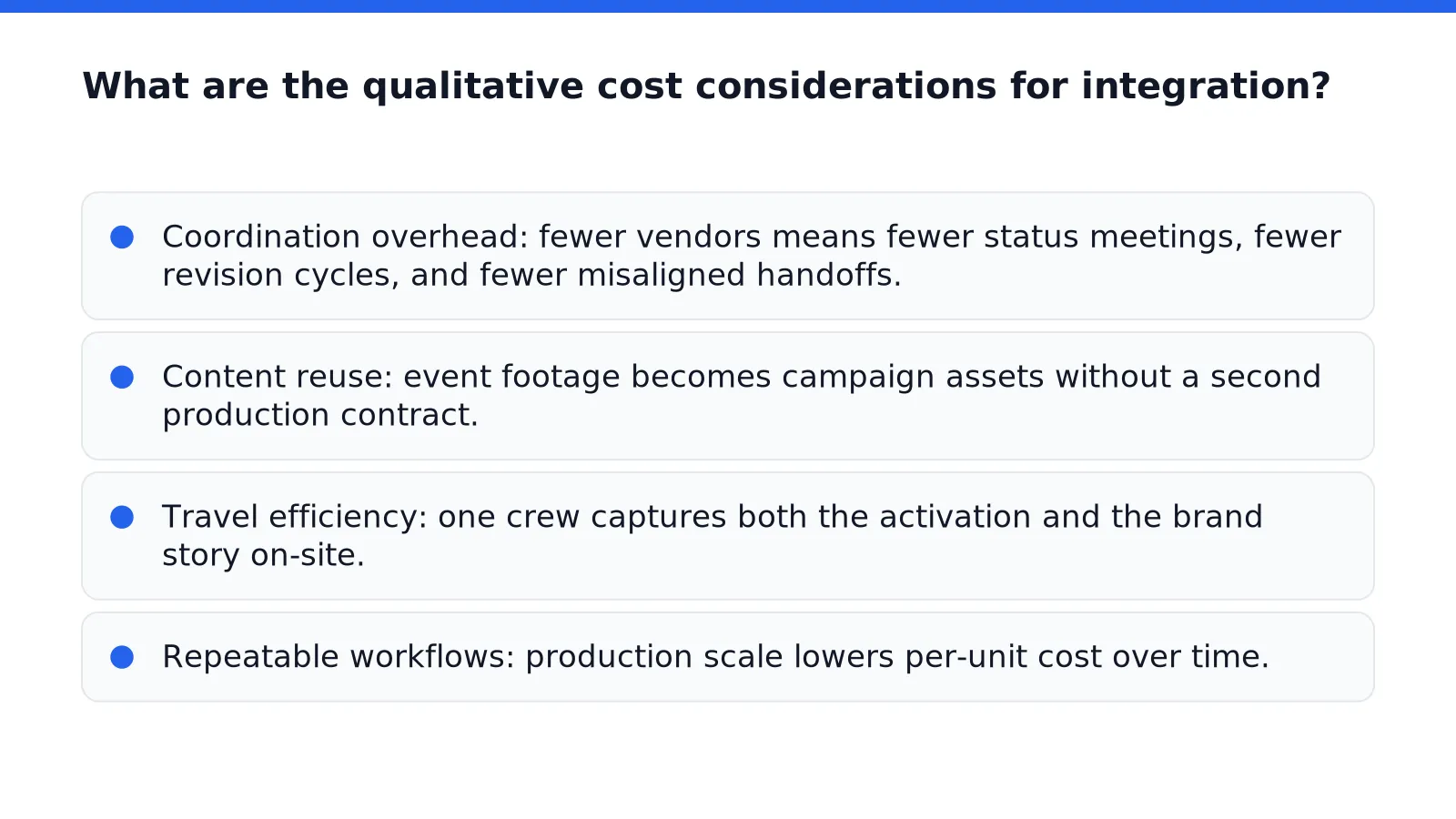
Costs depend on project scope, event complexity, and content needs. No fixed package fits every project. Decision-makers can weigh these four practical factors:
- Coordination overhead: Fewer vendors can mean fewer meetings and handoffs.
- Content reuse: Event footage can become campaign assets without another shoot.
- Travel efficiency: One crew can capture the activation and brand story on-site.
- Repeatable workflows: Established processes can reduce avoidable work over time.
Project Scope Shapes the Production Plan
The right production volume depends on the activation and its audience. Teams can agree on useful deliverables before work begins. Clear capture plans can reduce rework and support later distribution. Reusable content can also help earned media stay active after the event. Experiential marketing campaigns can be scoped around the content teams need to reuse.
National Service Supports On-Site Work
Whisenhunt Media serves clients nationally from Las Vegas, with travel available. Travel can be planned within one engagement for live work and video capture. This may simplify coordination when separate contracts would require multiple crews. It can also help preserve a consistent story for earned media.
Build an Integrated Experiential Marketing Strategy
Starting an integrated project begins with a strategic conversation. Marketing leaders can contact the agency through its website to discuss needs. That first discussion can connect business goals with experiential marketing and content production. Teams can also clarify the role earned media may play.
The agency considers business need, authority, budget, and timeline when assessing fit. There is no fixed revenue or employee-count threshold for a conversation. The approach can suit SaaS companies, national brands, and larger businesses. Each organization can discuss the scope that fits its goals.
Prepare the Details Needed for Project Scoping
Discovery usually covers four areas. First, teams define the goal, such as lead generation, brand awareness, or product education. Second, they describe the setting, from a trade show to a corporate summit. Third, they outline the video formats and deliverables needed afterward. Fourth, they choose distribution channels and ways to review results.
Shape the Campaign Around the Audience
Whisenhunt Media can combine live activations, video capture, and digital distribution. Current case studies include EnrollHere and Cardenas Law Group. These examples show integrated content campaigns connecting events, video, and performance marketing. Each experiential marketing campaign should reflect its setting and audience. Its content plan can also create more opportunities for earned media.
A scoping call can lead to a proposal outlining creative direction and logistics. It can also detail content deliverables and measurement plans. Each engagement reflects the activation setting and its audience. Teams can review top experiential marketing companies when comparing different partner models.
Who Runs This Integrated Approach
Whisenhunt Media is a digital marketing and video production agency in Las Vegas. Its work connects experiential marketing, video production, and integrated campaigns. Reagan Pfifer leads its experiential marketing and corporate events work.
Frequently Asked Questions
Why unify event planning and video capture?
Planning together helps teams capture useful moments as they happen. Those assets can support later content and earned media. It can also give experiential campaigns a longer life. A connected content plan can help experiential campaigns remain useful after the event.
How can a brand extend an activation after the event?
Teams can plan short clips, testimonials, and demonstrations before the event. A well-scoped experiential campaign can create content for several channels. Augmented reality or virtual reality may also fit when they serve the audience and idea.
Strong experiential marketing campaigns connect the live moment to useful content. A thoughtful experiential marketing strategy can support brand awareness beyond the venue. Earned media works best when the story gives people something worth sharing. Plan the experience for the moment, and the story for what comes next.
Free tool
See what AI says about your business
Kiki, our AI strategist, reads your real website in a live browser and hands you a personalized growth plan in about a minute. Free, no signup.
Analyze my business →Or start with how you sound: get your free Brand Voice Guide.
About Bernadette Valer
Bernadette Valer is part of the production team at Whisenhunt Media, writing from the projects the studio plans, shoots, and ships.