
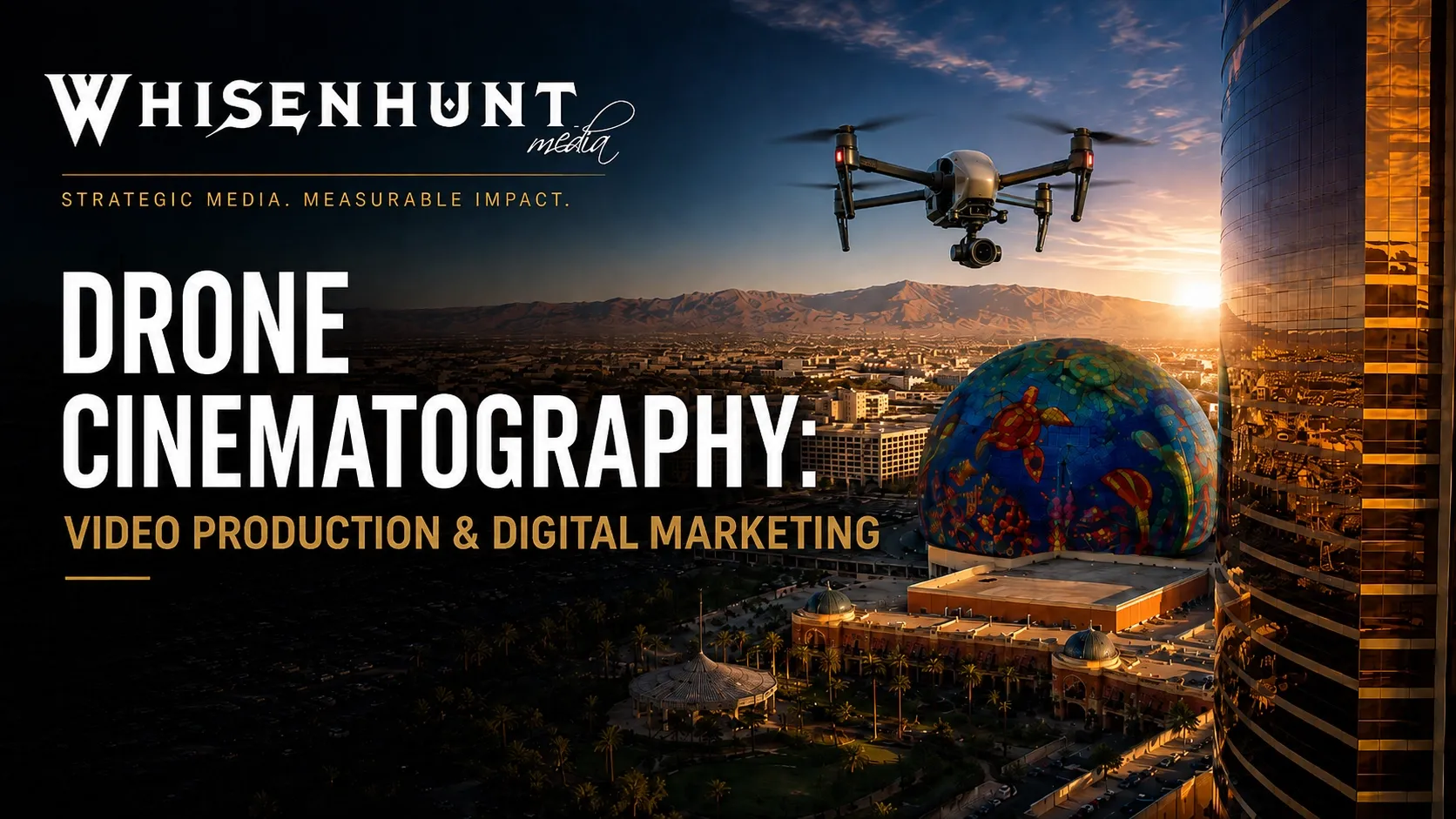
The drone rises, but the shot feels flat. The subject stays centered. The movement has no purpose. A fast turn adds shake instead of energy.
Strong aerial video starts before takeoff. You need a clear shot plan, steady movement, and time to shape the footage in post-production. Without them, even a smooth flight can become a weak marketing clip.
Key Takeaways
Drone cinematography needs close teamwork between the director of photography and the pilot.
More than 500 produced videos show how planning and post-production shape the final result.
Smooth aerial footage takes practice, careful flying, and focused editing.
Aerial images add new angles that traditional camera gear cannot reach.
What Do You Need Before Flying Cinematic Shots?
Preparation separates a casual aerial clip from true drone cinematography. Four elements matter most: a shot list, a calibrated aircraft, a post-production plan, and realistic time limits. Review the FAA drone rules and safety guidance before the shoot. Good preparation also shows which steps can save time on set.
What gear and planning steps come first?
Scout the location and map flight paths before takeoff.
Check aircraft calibration, battery charge, and camera settings.
Build a shot list with wide establishing angles and tighter cinematic drone shots.
Reserve editing time. Smooth footage takes practice in the air and in post-production.
Skip one step, and the problem often appears later. You may see shaky transitions or missing coverage.
Why does post-production matter for aerial footage?
Raw aerial clips rarely look finished. A clear five-step workflow helps. It moves footage through offline editing, color grading, sound design, motion graphics, and final delivery. This process turns raw drone filming techniques into a polished product. Without it, color may look flat, audio may clash, and steady footage may still feel amateur.
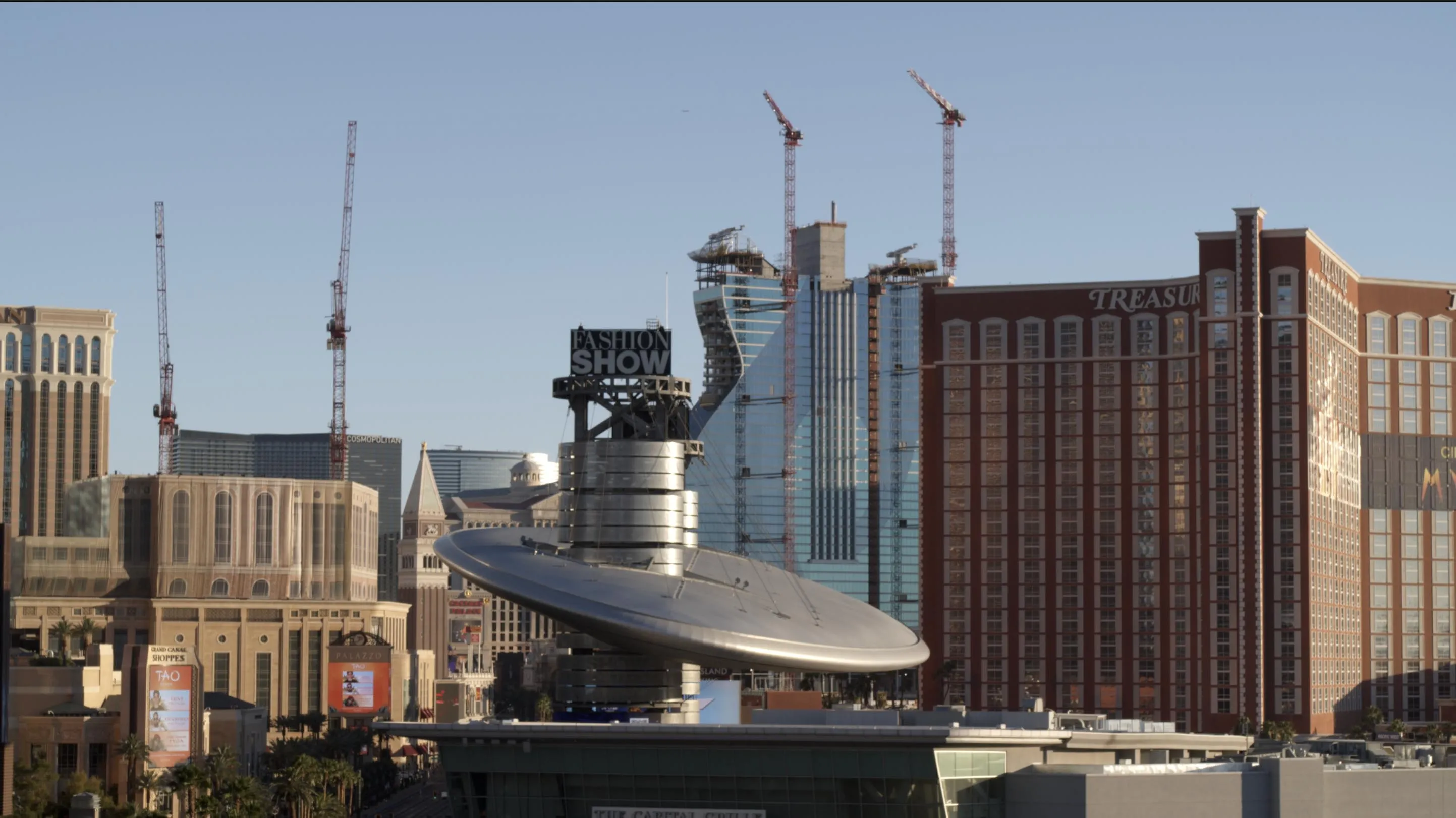
How Do You Execute Cinematic Drone Moves Step By Step?
Every cinematic move needs a plan. Without one, pilots lose battery time and face reshoots. A repeatable process creates intentional drone cinematography, not a random flyover.
Scout the location. Find a lead subject, a foreground element, and a background layer.
Set the frame rate, shutter, and ND filter for the light on site. Use the same care expected from an Emmy Award-winning production team.
Choose one move per shot: a reveal, tracking pass, or orbit. Combining moves can create shaky, unfocused cinematic drone shots.
Fly at a steady speed. Treat the gimbal like a dolly, not a joystick.
Log each shot with notes on framing, movement, and light. Repeat the pass for backup coverage.
What Separates a Cinematic Shot From a Standard Aerial Clip?
Composition, pacing, and motivated movement set a finished shot apart. A Bronze Telly Award for cinematography reflects the visual standard to aim for. The goal is not simply to fly high. The goal is to guide the viewer's eye.
Do Heavy-Elevator Drones Change How Moves Are Planned?
Heavy-lift platforms can carry cinema cameras such as the Alexa 35 or Venice. They expand the available drone filming techniques beyond lightweight consumer rigs. Larger payloads also require more flight time and extra stabilization checks.
How Do Platform Choices Affect Aerial Work?
For compact aerial drone videography, the dji avata 2 can support an immersive viewpoint, while the dji mini 4 pro and dji air 3 suit lighter travel setups. Schedule a golden hour pass only after checking the launch area, visibility, and available flight time.
A second dji avata 2 option can work for a fast tracking shot when the drone pilot has a clear route. The autel evo offers another compact choice, but the operator should compare its expected flight time with the planned number of takes.
When a production needs a larger payload, the freefly alta x can carry a cinema camera, while the dji mavic 3 pro can cover a lighter establishing angle. Lidar may help the team review terrain and obstacles before flying, but it does not replace a visual safety check.
The freefly alta x and the shotover u1 serve different heavy-lift planning needs. A dji inspire can support a dedicated camera workflow, while the inspire platform still requires a careful gimbal check and a realistic flight time.
For a dawn or golden hour setup, the dji inspire can give the crew another camera option. The inspire platform should be rehearsed before recording, especially when aerial filming must match ground coverage.
Good aerial filming also depends on the drone pilot's communication with the camera operator. During a third golden hour pass, the crew can capture a slower move and protect the edit. This is where aerial videography supports story rather than spectacle.
For commercial aerial filming, the crew can review takes in DaVinci Resolve before leaving the location. A second DaVinci Resolve check helps confirm color, horizon level, and usable handles. That review protects the next stage of aerial videography.
A crane move on the ground can match the rise of a drone, creating a smoother transition between camera systems. The crew should compare the timing of both moves before flying. This approach keeps aerial cinematography connected to the wider production.
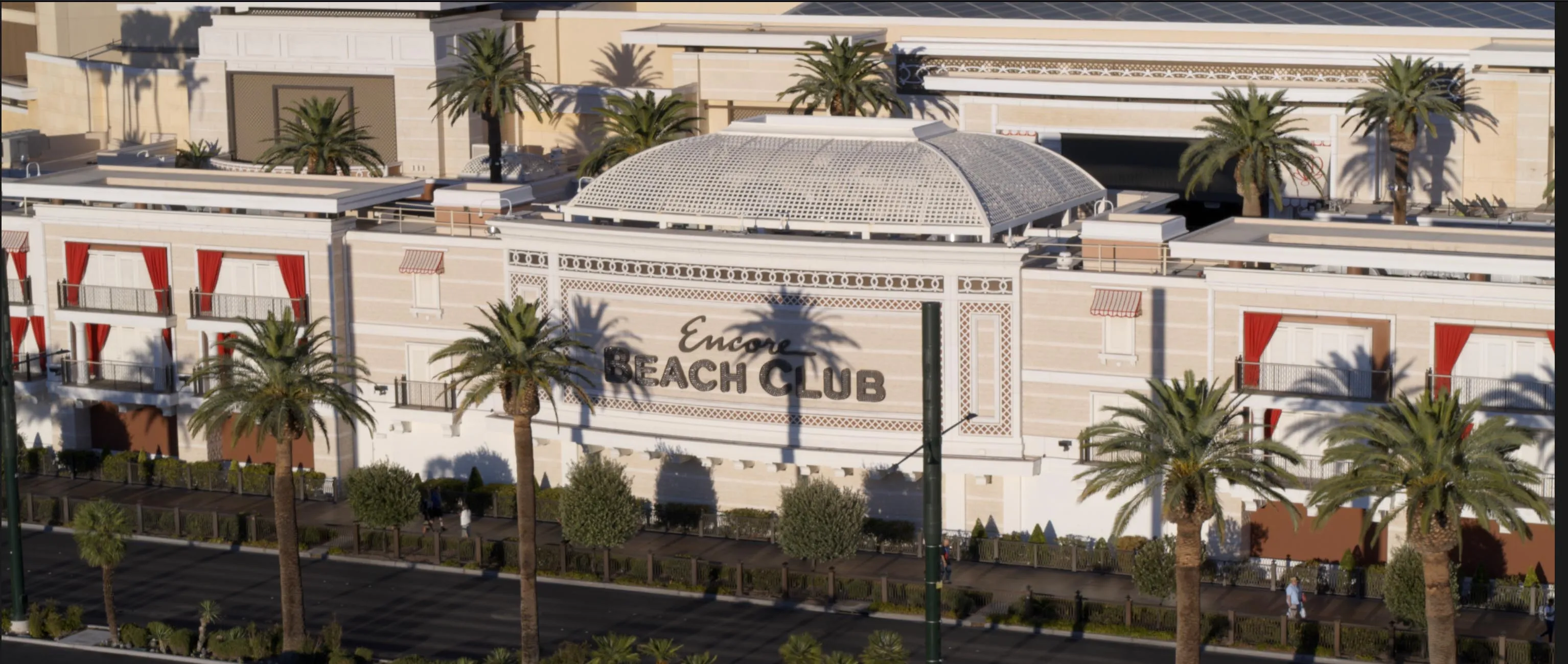
Camera Settings That Protect the Shot
Good shooting begins with exposure, not movement. Set the aperture for the depth of field you want, then adjust iso carefully so the drone camera keeps clean shadows. A controlled aperture gives the operator room to shape the scene during shooting.
Use a consistent shutter speed when shooting moving subjects. An nd filter helps control daylight without forcing the aperture too high. Carry a second nd filter for changing conditions, especially when shooting near reflective buildings.
The blue hour can add soft contrast and color to a city outline. Plan one pass during the blue hour, then check the horizon before the final blue hour shot. The drone should remain easy to see and easy to recover throughout the flight.
Look for leading lines in roads, rooftops, and shoreline edges. Strong leading lines guide attention toward the subject while the drone moves. This is useful in commercial filmmaking and in short-form videography.
Planning Drone Videography for Real Productions
Reliable drone videography starts with a legal flight plan. A pilot working under part 107 should confirm the airspace, weather, and site restrictions before the drone leaves the ground. The part 107 review also belongs in the production schedule.
For event coverage, drone videography must respect guests, venue rules, and the approved flight area. The drone needs a clear launch point and a safe landing point. Part 107 compliance is part of the creative plan, not paperwork added later.
A Mavic Pro can suit a light travel setup, while a larger drone may support a heavier camera. The choice depends on the location and the intended drone videography style. A gimbal keeps the image stable when the drone changes direction.
The DJI Inspire 2 offers another production option for teams planning drone videography around a dedicated camera system. The operator should still rehearse each move with the drone before recording. A second gimbal check can prevent a soft horizon.
FPV work changes the rhythm of drone videography. The pilot can create a fast path through a space, but the camera team must protect the subject and the edit. A slower drone pass may serve the story better than a dramatic turn.
A dronie begins close to a person or object and pulls away to reveal the setting. The dronie works best when the background adds context. Keep the drone speed steady so the reveal feels intentional.
A second dronie variation can rise while moving backward. This dronie needs extra space and a clear escape route. The pilot should rehearse the path before capturing the drone videos.
In a third dronie, the subject stays centered while the landscape expands around it. This approach can support travel content or event coverage. Safe spacing remains more important than the size of the reveal.
A reveal shot can begin behind a wall, tree, or roofline. The drone then clears the obstruction to show the subject. A second reveal shot can use a foreground object to create depth.
Leading lines can make a reveal shot easier to read. The operator can combine those lines with a slow orbit or a measured rise. This is a practical foundation for aerial cinematography.
A dolly zoom is a more demanding camera effect that changes perspective as the drone moves. It requires careful coordination between distance, lens choice, and speed. Use it only when the effect supports the story.
Modern drones in cinematography can support establishing shots, transitions, and immersive movement. Aerial cinematography is strongest when it connects with ground coverage. The drone should add information rather than repeat the same view.
For teams building aerial cinematography into a campaign, drone videography should match the brand's pacing. A calm property film needs different movement from a fast product launch. The same drone can serve both when the shot plan is clear.
Drone videography also depends on the edit. Mark clean starts and stops so the editor has usable handles. That practice makes aerial cinematography easier to shape in post.
When shooting for social media, drone videography should account for vertical crops. Keep the subject away from the edges when possible. The drone can still provide a wide frame without losing the important action.
For a longer brand film, drone videography may open or close a sequence. Aerial cinematography can establish scale before the camera moves indoors. The transition should share a visual direction with the next shot.
Final drone videography checks include focus, exposure, horizon level, and audio notes. The drone records no useful story when the camera is pointed at the wrong detail. Review each take before leaving the location.
Before commercial work, confirm the pilot's part 107 status and operating limits. A second part 107 check is useful when the location or schedule changes. Keep the part 107 documentation with the call sheet, and revisit part 107 requirements during the safety briefing.
Good aerial cinematography is a form of filmmaking, not a collection of random flyovers. Filmmaking choices should guide altitude, speed, lens direction, and timing. The best filmmaking result often comes from a simple move executed well.
During prep, the camera operator can mark exposure targets for iso and aperture. During shooting, the pilot can focus on the flight path instead of guessing. This division makes shooting calmer and gives the editor more consistent footage.
In post, the team can assemble the footage in Adobe Premiere Pro. Color and sound choices help the drone material sit beside handheld and tripod shots. That is where filmmaking turns separate passes into one sequence.
What Mistakes Ruin Cinematic Drone Footage?
Weak drone cinematography often comes from four repeatable errors. Better gear cannot fix a weak process. Correct these mistakes, and your cinematic drone shots will feel more deliberate.
Treating the flight as an isolated clip. Footage needs a plan for editing, pacing, and story. Aerial content works best as part of a full production.
Skipping post-publish review. Pilots who do not track which shots and edits hold attention may repeat the same framing mistakes. Performance data helps close that gap.
Flying without pilot-camera coordination. Strong results depend on clear teamwork between the camera operator and the pilot. Hardware alone cannot solve this problem.
Rushing the learning curve. Refined drone filming techniques come from repeated practice over years. One weekend of flying is not enough.
Why does drone footage still look amateur even with a good drone?
Expensive gear cannot fix poor coordination. Before each pass, both roles should agree on framing, speed, and timing. This approach reflects production practices refined through years of aerial work since 2017.
Who Runs This Playbook?
Whisenhunt Media is a digital marketing and video production agency in Las Vegas. The company has operated since 2017 and has produced more than 500 videos. Its Content Creation & Video Production services apply the same planning, flight, and editing steps described here.
The team includes an Emmy Award-winning production team and has earned a Bronze Telly Award for cinematography. Its work supports clients in the technology and luxury brand sectors. The studio treats aerial video as one part of a larger production and marketing plan.
Plan the flight, guide the movement, and shape the edit. That is how aerial footage earns its place in the story.
Free tool
See what AI says about your business
Kiki, our AI strategist, reads your real website in a live browser and hands you a personalized growth plan in about a minute. Free, no signup.
Analyze my business →FAQ
What should you do before flying a cinematic drone shot?
Scout the location. Check aircraft calibration, battery charge, and camera settings. Build a shot list with wide and tight angles. Reserve time for post-production.
Why does post-production matter for drone footage?
Raw aerial clips rarely look finished. A five-step workflow covers offline editing, color grading, sound design, motion graphics, and final delivery. It turns raw footage into a polished product. cite-1
What movements define cinematic drone cinematography?
Smooth reveals, parallax tracking shots, and slow orbits create depth. Fast flying often distracts from the subject. These methods support aerial work in Las Vegas and beyond.
About Whisenhunt Media
Written by the Whisenhunt Media production team, from the projects the studio plans, shoots, and ships in Las Vegas and on the road.