

A missed deadline, weak sound, or unclear message can sink a business video before it reaches the audience. Professional video production services help teams plan, film, and finish content that supports a clear business goal. This guide explains the main types of production work, the video process, and the role of AI in 2024. It also shows how to choose a media production company that fits your needs.
You will learn about corporate and commercial video solutions, the main production phases, and the industries that use them. You will also see how technology can improve the workflow. With this knowledge, you can choose media production services that support your brand story and business goals.
What Are Production Services and Their Key Types?
Production services cover the work needed to create media content. This work can include video, film, audio, animation, and live events. These services help businesses share ideas through sound and visuals.
Defining Production Services: From Media to Event Production
Production services begin with an idea and end with a finished piece of content. The work may include planning, writing, filming, editing, and delivery. It can support video, film, audio, and live events. Each service helps a team reach and engage its audience.
Exploring Core Types: Video, Film, Audio, Animation, and Event Production
Video Production: Creates content for websites, commercials, social media, and internal use.
Film Production: Produces feature films, documentaries, and short films. This work often needs careful planning and close teamwork.
Audio Production: Creates podcasts, music, and sound design for video.
Animation Production: Creates animated content for marketing, education, and entertainment.
Event Production: Plans and runs live events such as conferences, concerts, and corporate gatherings.
These types help businesses choose the right production services for their goals and audiences. A team may need one service or a mix of several.
How Does a Video Production Company Deliver Corporate and Commercial Video Solutions?
Video production companies create content for specific business needs. They use a clear process to keep the message focused. Good video production services also connect planning, filming, and editing from the start.
Corporate Video Production: Process and Business Benefits

Corporate video production follows three main stages:
Pre-Production: The team plans the goal, script, schedule, and storyboard.
Production: The team films the planned scenes and records the needed sound.
Post-Production: Editors shape the footage, add graphics and sound, and prepare the final file.
Corporate video production can improve brand visibility and internal communication. It can also help a company share key messages with staff, customers, and other stakeholders. Strong planning gives the final video a better chance to meet its goal.
Commercial and Explainer Video Production: Engaging Brand Storytelling
Commercial and explainer videos turn a brand message into a short, clear story. Storytelling can help viewers remember the message. One example is social media video, which can present a product or idea in a format made for online viewing.
Brand Storytelling: Shows a brand's mission, values, and unique selling points.
Explainer Videos: Breaks down a product or complex idea in a simple way.
These formats help businesses explain what they do and encourage audience engagement. The best choice depends on the audience, channel, and business goal.
What Are the Essential Phases of Video Production Services?
Video production services use three core phases: pre-production, production, and post-production. Each phase solves a different problem. Together, they move an idea from a first brief to a finished video.
Pre-Production Planning: Strategy and Preparation
Pre-production sets the direction for the project. The team should agree on the purpose, audience, and message before filming begins.
Concept Development: Defines the video's purpose and target audience.
Scriptwriting: Builds a story that supports the brand's message.
Storyboarding: Maps the key scenes and shows how the video will flow.
Careful planning reduces confusion on set. It also supports a successful final product.
Production and Post-Production: Execution and Editing Workflows
During production, the team follows the approved plan. The work includes:
Filming: Captures footage with professional equipment.
Sound Recording: Records clear audio to support the visuals.
Post-production shapes the raw material into a finished video. Editors cut the footage and add graphics, sound effects, and music. This stage improves the video's quality and keeps it aligned with the original goal.
Which Industries Benefit Most from Professional Production Services?
Many industries use professional production services to explain ideas and reach their audiences. The format may change, but the need for a clear message remains.
Media, Marketing, and Entertainment Sectors
Media, marketing, and entertainment teams depend on strong content. Their work includes:
Media: News outlets and online platforms use video to share stories and reports.
Marketing: Brands use video for campaigns, social posts, and promotions.
Entertainment: Film and television companies produce movies, series, and documentaries.
High-quality production services give these teams more ways to tell stories and engage viewers. They also help teams adapt content for different channels.
Corporate, Healthcare, Education, and SaaS Applications
Corporate, healthcare, education, and SaaS teams also use production services for practical needs:
Corporate: Uses video for training, internal updates, and brand promotion.
Healthcare: Creates educational videos for patients and staff.
Education: Produces instructional videos to support learning.
SaaS: Creates explainer videos that show product features and benefits.
Professional production services help these industries make complex information easier to understand. They can also support trust, training, and product adoption.
How Is AI and Technology Transforming Production Services in 2024?
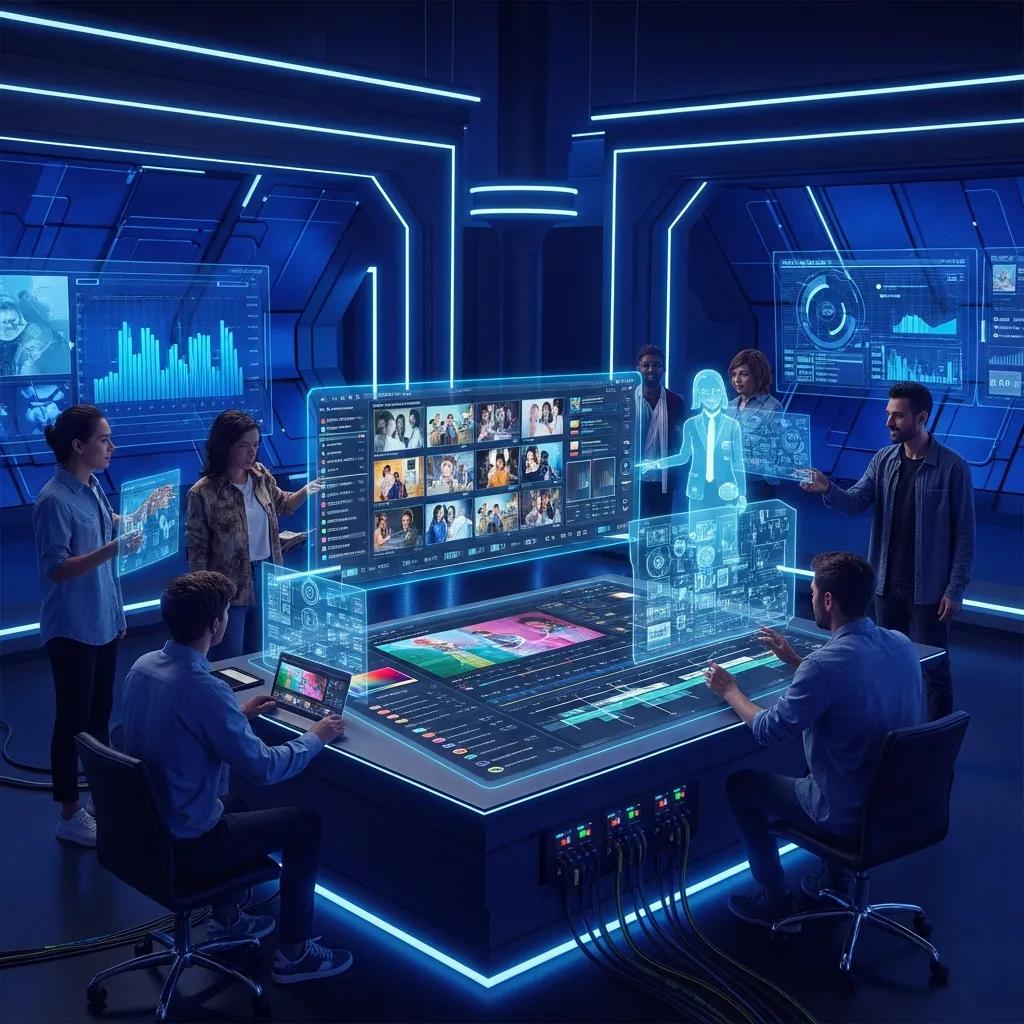
AI and new production tools are changing how teams plan, edit, and deliver content. They can reduce routine work and give creative teams more time to focus on the story. Human review still guides the final result.
AI-Driven Automation Enhancing Video Production Workflows
AI tools can support several parts of video production. For example, they can help with social media video workflows.
Editing: AI can find key moments and suggest cuts.
Script Analysis: AI tools can review scripts and suggest changes for engagement.
These tools let production teams spend less time on repeat tasks. They do not replace creative judgment or final quality checks.
Research also explores how AI may reduce production time and costs.
AI for Video Production: Reducing Time & CostsThe findings demonstrated that AI enables significant reductions in production time and costs through the automation of routine tasks such as editing, video correction, and animation creation. Generative models, particularly generative adversarial networks (GANs), open new possibilities for creating realistic visual effects and three-dimensional objects that previously required considerable effort and resources.
The impact of artificial intelligence on the production and editing of audiovisual content, I Gavran, 2025
Other research describes changes across the full audiovisual workflow, from planning to final delivery.
AI's Impact on Audiovisual Production: Automation & EfficiencyThe incursion of tools based on Artificial Intelligence in audiovisual production is transforming this industry through four main axes: (i) the automation of processes; (ii) improving production efficiency; (iii) innovation in the analysis and prediction of problems to be solved; and (iv) the democratization of access to content creation. To classify the uses of artificial intelligence (AI) in the audiovisual industry, the four different phases that make up the production ecosystem were considered: pre-production, production, post-production and distribution.
Impact of Artificial Intelligence in the Audiovisual Industry.
A Taxonomy of Uses and Applications, MJ Arrojo, 2024
Emerging Trends: Virtual Production and Intelligent Content Creation
Virtual production uses tools such as real-time rendering and augmented reality. These tools can create immersive settings and support new storytelling methods. AI tools can also create video content for specific audiences. Teams should test these tools against the project's goals and quality needs.
What Should You Consider When Choosing a Media Production Company?
The right media production company can help you reach your desired outcomes. Review its skills, process, portfolio, and price before you decide. Also check how the team handles feedback and delivery.
Evaluating Expertise, Portfolio, and Client Testimonials
Look for experience that matches your project. Review the company's portfolio to judge its work. Client testimonials can show how the company communicates and solves problems. A strong track record can give your team more confidence.
Understanding Service Offerings and Pricing Structures
Ask what the company includes in its video production services. Check whether it can manage filming, animation, editing, and delivery. Ask how the price is built and what may create extra costs. The right choice should fit your budget and project needs.
Also ask how the team will support access for viewers. The Web Content Accessibility Guidelines provide a credible reference for accessible digital content, including captions and clear presentation.
Phase | Task | Outcome |
|---|---|---|
Pre-Production | Concept Development | Clear vision for the video |
Production | Filming | High-quality footage captured |
Post-Production | Editing | Polished final product |
This table shows the main phases of video production services. It pairs each phase with its core task and expected result. Use it to review a proposed workflow with a production partner.
Production services help businesses share ideas, train teams, and engage audiences. The right process keeps the message clear from the first brief to the final edit. Choose a partner that understands both the story and the work behind it.
Clear planning makes better video possible.
Free tool
See what AI says about your business
Kiki, our AI strategist, reads your real website in a live browser and hands you a personalized growth plan in about a minute. Free, no signup.
Analyze my business →About Ben Whisenhunt
Ben Whisenhunt is the Creative Director at Whisenhunt Media, specializing in cinematic video production and brand storytelling. With years of experience in the Las Vegas market, Ben helps businesses elevate their brand through compelling visual content.