


Your ad gets three seconds to earn attention. If the opening feels slow, viewers swipe away before they understand the offer. A polished video can still fail when it uses the wrong format, weak framing, or a vague call to action.
In 2026, strong social media advertising will depend on useful creative, fast testing, and a clear path to action. This guide covers the main trends, video formats, commerce tools, creator content, legal use cases, and ways to measure results. You can use these ideas to plan campaigns now and prepare for the next year.
What Are the Key Social Media Advertising Trends to Watch in 2026?
The main trends for 2026 are easy to spot. They include AI-assisted creative, short-form vertical video, social commerce, and creator-led content. Privacy changes will also shape how teams measure results.
Platforms reward watch time and useful content. They also make it easier for people to buy without leaving the app. Teams should build flexible video assets and test several versions. This approach can improve relevance and help control costs when paired with sound media buying.
- AI-assisted creative and automated editing can speed production.
- Short-form vertical video remains a key discovery format.
- Social commerce and shoppable video can shorten the path to purchase.
- User-generated content can feel more credible than highly polished ads.
- Privacy changes will make testing and modeled attribution more important.
Next, we will look at how AI can improve creative work without removing human review.
How Is AI Transforming Social Media Ads in 2026?
AI can handle repetitive production tasks. It can help teams make edits, create variants, and suggest changes to copy or visuals. One master file can produce several aspect ratios and pacing options. Teams can then test those versions on different platforms.
AI can also suggest hooks, thumbnail frames, and calls to action for audience groups. Human review still matters. People must check tone, brand safety, accuracy, and legal risk. This is especially important when content shows real people or makes sensitive claims.
The strongest campaigns use AI for speed and people for judgment.
Why Does Short-Form Video Continue to Dominate Social Media Marketing?
Short-form video fits the way many people use their phones. Viewers want a quick reason to keep watching. Start with a clear hook in the first one to three seconds. Keep the story focused and end with one useful action.
Use tight scripts, quick openings, and faster pacing when the story needs energy. A clear call to action can ask viewers to learn more, shop, or contact the business. Short videos work well for awareness and early conversion. Longer videos can support retargeting later in the funnel.
Vertical, platform-native edits help the video feel natural in the feed.
How Can Las Vegas Businesses Use Video Production to Capitalize on 2026 Social Media Trends?
Las Vegas businesses need a production process built for vertical video and quick changes. A single shoot can capture several aspect ratios, scenes, and edit options. This gives the team fresh creative without booking a new location each time.
Local knowledge can also shape the message. Use familiar settings, event timing, and audience needs when they support the campaign. Pair those insights with platform-specific targeting and a clear sales goal.
- Plan modular shoots: Capture hero shots, product close-ups, and short testimonial clips.
- Prioritize vertical edits: Create Reels, Shorts, and TikTok versions first.
- Add creator content: Mix polished video with authentic clips to build trust.
These steps create a useful base for local social media campaigns.
What Are the Benefits of Professional Social Media Video Production in Las Vegas?
Professional production can improve creative quality and speed up new versions. It also connects each edit to a clear business goal. Local teams understand regional audiences, permits, locations, and event schedules.
Good planning helps teams work faster. Shot lists, storyboards, and modular filming reduce editing time. A local partner can also respond quickly when a promotion or event changes. For many Las Vegas businesses, this makes video production a practical investment in ad performance.
How Does Vertical and Short-Form Video Enhance Brand Engagement?
Vertical video fills the mobile screen and keeps the story focused. Use one main idea or action in each clip. A strong visual opening can earn attention. Rhythmic edits can then support watch time.
Use clear framing, readable captions, and early brand signals. Place the main call to action near the end, after the viewer understands the value. When the format matches the platform, the video feels more relevant and easier to watch.
What Role Will Social Commerce and Shoppable Video Play in 2026 Advertising?
Social commerce can turn discovery into a purchase inside the platform. Product tags, shop links, and live checkout reduce extra steps. This can help buyers move from interest to action faster.
Show the product clearly and demonstrate how it works. Match the call to action with the platform's checkout path. The table below compares common formats and production needs.
| Platform / Format | Shoppable Feature | Production Tip |
| --- | --- | --- |
| Short-form in-feed | Product tags and shop links in video | Focus on product close-ups and add overlay CTAs in the last 1–2 seconds |
| Stories / Reels | Swipe-up links and sticker-based checkout | Use upright framing and clear context so the sticker drives taps |
| Live commerce | In-stream checkout and limited-time offers | Time demos for purchase moments and include deliberate buy prompts |
How Can Brands Create Effective Shoppable Video Content for Social Platforms?
Build the video around a real use case. Start with a problem or desire. Show the product in use, then offer a simple next step. Make the product card or purchase link easy to see.
Use steady lighting to show important features. Mix mounted shots with handheld clips when a more natural feel fits the brand. Test calls to action, thumbnails, and product placement. Use the results to guide the next shoot.
Which Social Commerce Platforms Are Driving Growth in 2026?
TikTok and Instagram support discovery-led commerce. YouTube works well for longer product demonstrations and comparisons. Live commerce is also growing across platforms.
TikTok often suits quick, natural demos. Instagram supports polished Reels and catalog browsing. YouTube gives products more room for detail. Choose the platform that matches the buyer's journey. Use TikTok for discovery, Instagram for browsing, and YouTube for deeper consideration.
Why Is Authenticity and User-Generated Content Crucial for 2026 Social Media Ads?
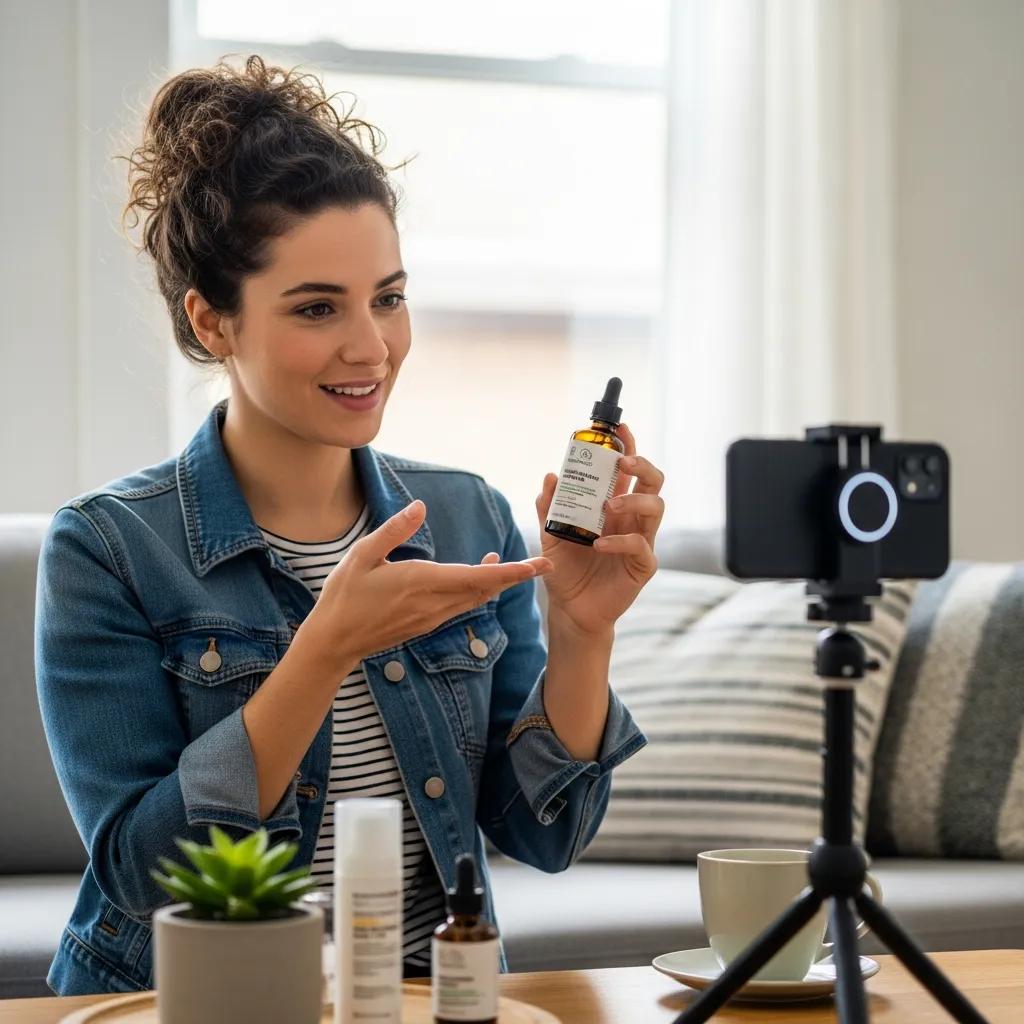
People often respond well to content that feels direct and familiar. User-generated content can show real experiences without the polish of a studio ad. Creator endorsements can also provide useful social proof.
Set clear rules for submissions, rights, payment, and editing. Keep the strongest parts of each creator's voice. Add brand overlays or calls to action only when they help the viewer.
- Ask for content with clear prompts and simple submission steps.
- Choose clips that match audience needs and feel genuine.
- Edit lightly so the original voice remains clear.
Local creators can add another layer of trust to regional campaigns.
How Can Brands Integrate UGC into Their Video Campaigns?
Use contests, creator briefs, or direct prompts to invite people to share their experiences. Begin with a short brief that explains the message and required format. Handle rights and payment in clear terms.
Choose clips with a strong emotional point and a clear connection to the audience. Use light color correction and captions for access. Do not edit away the creator's natural tone. Track performance and pay creators fairly so the program can continue.
Brands should also follow the Federal Trade Commission's guidance for social media influencers when creators promote products or services.
What Are the Benefits of Collaborating with Local Creators in Las Vegas?
Las Vegas creators bring local stories, faster logistics, and audience overlap with residents and visitors. They understand neighborhood patterns, event timing, and topics that matter in the area.
Local shoots also reduce travel and scheduling problems. That makes it easier to refresh content often. Community-focused stories may also earn more organic sharing. For Vegas campaigns, local creators can support both reach and relevance.
How Are Legal Businesses and Personal Injury Lawyers Using Video Marketing for Social Media in 2026?
Legal firms use video to build trust and explain complex topics. Common formats include attorney profiles, short rights explainers, client testimonials, and case-result summaries. Each video should use a clear call to action, such as scheduling a consultation.
A paid campaign may begin with a short awareness clip. It can then show longer videos to people who watched or engaged. Legal advertisers must avoid promises about results. Content should inform viewers and encourage them to seek advice for their own situation.
What Video Strategies Build Trust and Generate Leads for Legal Clients?
Use testimonials that describe real experiences, attorney Q&As, and short process explainers. These formats combine empathy, clarity, and social proof.
Film with clean sound and good lighting. Build Q&A prompts around common, high-intent questions. Send interested viewers to a consultation page. Retarget people based on what they watched. Show trust-building content to engaged viewers and simple calls to action to people who only saw the opening.
How Did Whisenhunt Media’s Case Studies Demonstrate Success in Legal Video Marketing?
Whisenhunt Media's legal case studies include work for firms such as Jade Jacobo and Joel Torres. The approach used production-first video and targeted social campaigns to increase visibility and qualified leads.
The playbook used concise testimonials, platform-native short-form edits, and sequences that moved viewers toward consultations. It also used attention-first hooks, outcome-focused framing, and retargeting. These examples show how a production-led strategy can support measurable growth for legal firms.
Who Runs This Social Media Video Playbook?
Whisenhunt Media is based in Las Vegas and provides social video production for products, influencers, and brands. The team supports vertical and short-form formats, strategy planning, and campaign delivery. Businesses can use a strategy meeting to connect creative choices with their sales funnel.
How Can Businesses Future-Proof Their Social Media Video Advertising Strategy for 2026 and Beyond?
Future-proofing starts with a flexible workflow. Capture several angles, lengths, and formats during each shoot. Keep the brand's tone, message, and visual signals consistent across platforms.
Use AI-assisted editing to create options, then review every version with a person. Measure both early signals and final results. Useful measures include view-through rate, engagement, click-through rate, leads, and cost per lead. Use strong tagging and review attribution often as privacy rules change.
Below is a practical guide for measuring video ROI.
| Metric / Tool | Measurement Type | Recommendation / Frequency |
| --- | --- | --- |
| View-through rate (VTR) | Creative resonance | Check weekly to spot high-retention creatives |
| Click-through rate (CTR) | Initial engagement | Test CTAs and thumbnails; review bi-weekly |
| Conversion rate / CPL | Lead efficiency | Monitor daily and shift spend toward efficient funnels |
| Media attribution tools | Multi-touch insights | Combine platform and server-side reporting; review monthly |
| A/B testing framework | Creative validation | Run iterative tests per campaign and scale winners weekly |
Why Is Cross-Platform Video Consistency Essential for Brand Trust?
Consistency helps people recognize a brand. Keep the opening style, tone, logo use, and main call to action familiar. Adapt the pacing and framing to each platform without changing the core message.
Document the color palette and type choices. Save reusable brand clips and hook templates. A shared asset library helps editors work quickly while protecting the brand's identity.
How Can Video ROI Be Measured and Optimized in 2026?
Start by choosing one main goal. That goal may be leads, revenue, or awareness. Then track the creative and business signals that support it.
Review view-through rate, watch time, click-through rate, conversion rate, and cost per lead. Run creative tests and compare calls to action. Use platform analytics with external attribution and server-side events to address measurement gaps.
- Define the primary KPI: Choose leads, revenue, or awareness.
- Set a testing cadence: Run creative tests each week.
- Align the measurement stack: Combine platform data with server-side reporting.
Repeat the cycle: produce, test, learn, and scale. That rhythm keeps social media video useful as platforms and privacy rules change.
Conclusion
Preparing for 2026 means focusing on short-form vertical video, AI-assisted creative, shoppable experiences, and honest creator content. Modular production makes testing easier. Clear measurement shows which ideas support the business.
For Las Vegas brands, working with a team like Whisenhunt Media can connect production with campaign goals. Start with one clear audience problem, build several useful versions, and let the results guide the next move.
In social media advertising, the fastest lesson is the one your audience can understand.
Free tool
See what AI says about your business
Kiki, our AI strategist, reads your real website in a live browser and hands you a personalized growth plan in about a minute. Free, no signup.
Analyze my business →About Ben Whisenhunt
Ben Whisenhunt is the Creative Director at Whisenhunt Media, specializing in cinematic video production and brand storytelling. With years of experience in the Las Vegas market, Ben helps businesses elevate their brand through compelling visual content.